
Black mould on your walls — why it is there, and how to stop it
Black spots in bedroom corners, behind the wardrobe or around the window frame. Mould grows where a wall stays damp, so where it appears tells you a lot about the cause. Advice from damp specialists covering Dewsbury, Wakefield and West Yorkshire.
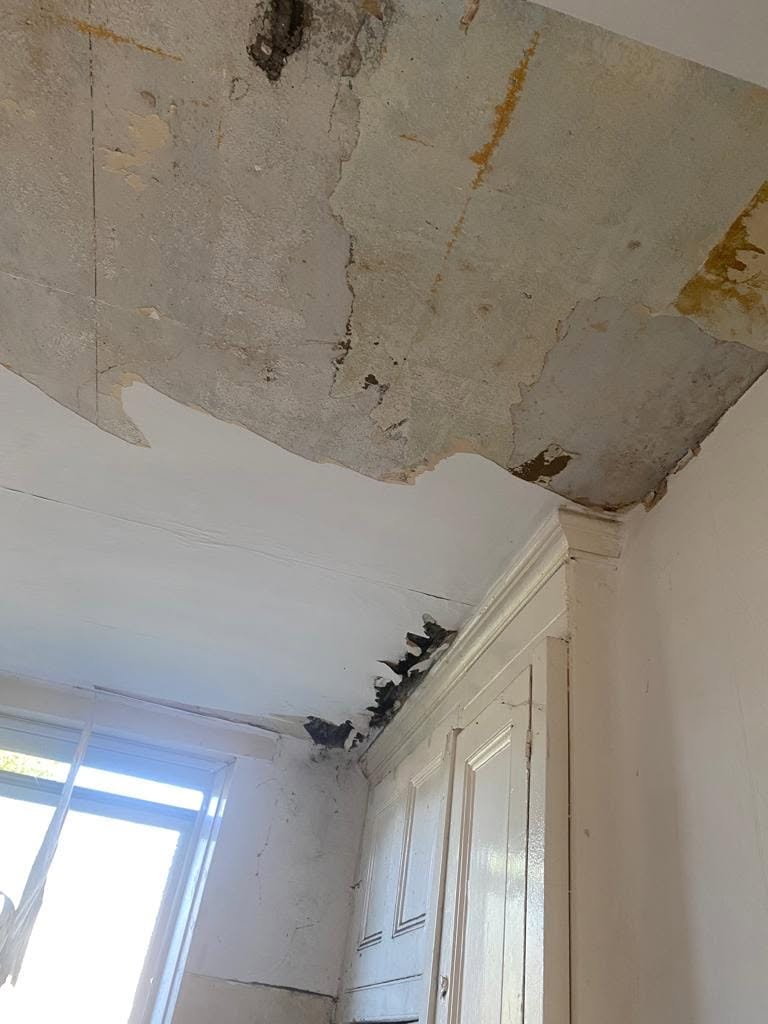
What black mould on walls looks like
It usually starts as small black or dark green spots, often in a corner where two walls meet the ceiling, along the top or bottom of an outside wall, or around a window reveal. The spots join up into patches, and the plaster underneath can feel cold and damp.
Very often it is hiding: on the wall behind a wardrobe, a bed headboard or a sofa pushed against an outside wall, and only found when the furniture is moved. In bathrooms it tends to start in the grout, along silicone and at the top edge of the tiles. Clothes and shoes stored against those walls can pick up a musty smell or mould spots of their own.
The three main causes of black mould on walls
Mould needs moisture. These are the three usual reasons a wall stays damp enough to grow it.
Condensation
By far the most common. Moisture from everyday living settles on cold walls and never gets the chance to dry, especially in bedrooms and bathrooms.
Cold spots
Outside corners, walls behind furniture and the edges of ceilings stay colder than the rest of the room, so condensation collects there first.
Damp coming in
Penetrating damp from outside or rising damp from the ground can keep a wall damp enough for mould even when the air inside is dry.
How to tell what is feeding the mould
Where the mould grows and when it gets worse point to the cause.
- Corners, ceilings and behind furnitureMould high in corners or hidden behind wardrobes is typically condensation collecting on cold spots.
- Around windowsMould on window reveals and sills, with water on the glass in the morning, points to condensation.
- One patch that grows after rainMould on a single patch that gets worse in wet weather suggests penetrating damp.
- Low on a ground-floor wallMould along the bottom of a wall with tide marks or salts suggests rising damp.
If mould keeps coming back after cleaning, the cause has not been dealt with. A free damp survey will find it.
What getting rid of black mould involves
There are two parts, and both matter. The mould you can see has to be treated properly, and the moisture feeding it has to be stopped, or it comes back.
Surface mould is treated to kill it rather than just bleach it. Plaster or boards that have been mouldy and damp for a long time may need replacing. See black mould removal.
Where condensation is the cause, which it usually is, the lasting fix is better ventilation, often a PIV unit that keeps fresh air moving through the house. See condensation control. Where damp is getting in from outside or up from the ground, that needs treating instead.
In the meantime, pulling furniture a few centimetres away from outside walls and keeping rooms aired makes a real difference.
What affects the cost of dealing with black mould
Mould in one corner and mould through several rooms are different jobs. The main variables are these.
- What is causing itVentilation for condensation or treatment for penetrating or rising damp.
- How far it has spreadThe number of rooms and the area of wall and ceiling affected.
- Damage to plasterWhether surfaces can be treated, or plaster and boards need replacing.
- Ventilation neededWhether the home needs a PIV unit or similar to stop the mould returning.
There is no charge to find out. Book a free damp survey and, if work is needed, you'll get a fixed price in writing.
What happens if you leave black mould
Mould spreads. A few spots in a corner become patches across a wall, and spores get into soft furnishings, clothes and bedding. It spoils decoration and plaster, and the longer it is left the more has to be replaced. It can also put off buyers and tenants.
Living with damp and mould can also affect your health. It is a particular risk for children, older people and anyone with asthma, allergies or breathing problems, so mould in a bedroom is worth dealing with sooner rather than later. If you are worried about someone’s health, speak to your GP.
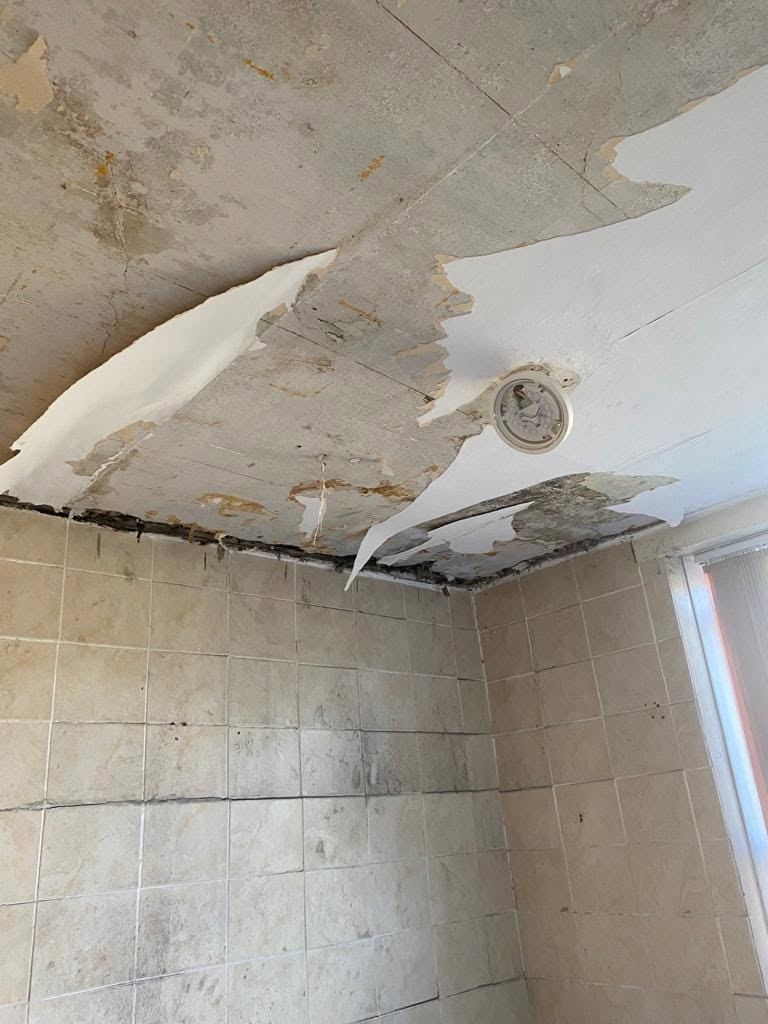
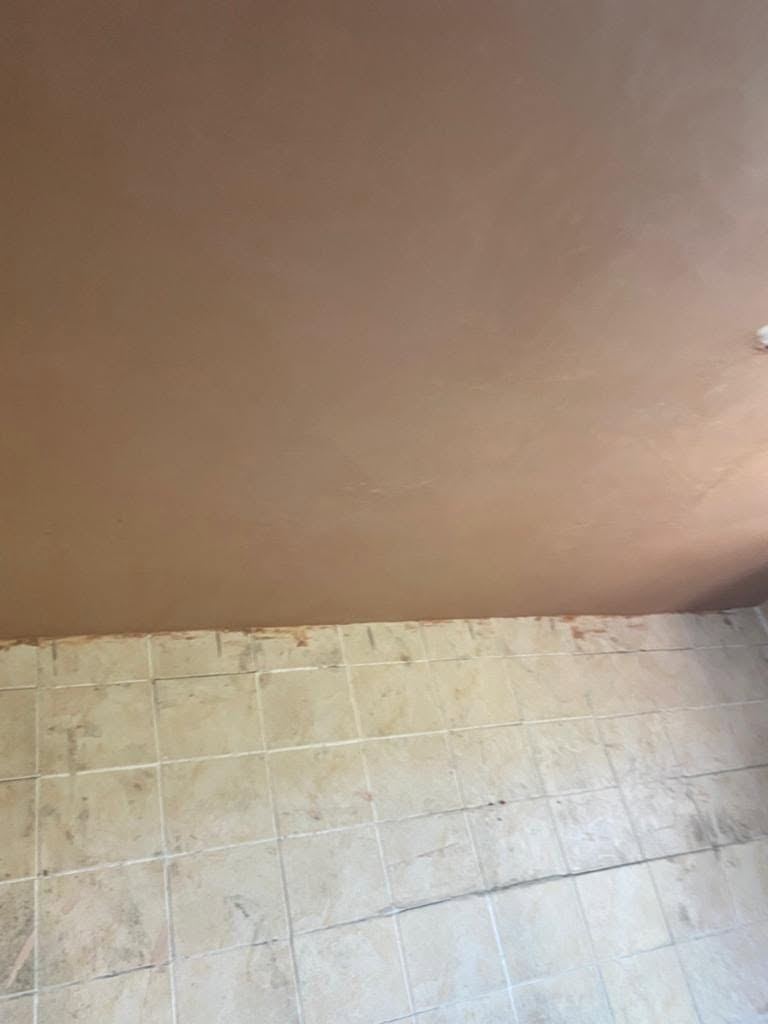
A mould-damaged ceiling, before and after
A bathroom ceiling with peeling paint and mould along its edges, boarded and skimmed to a clean finish.
Questions about black mould on walls
Why is there black mould on my bedroom wall?
Bedrooms are closed up for hours at night while people breathe out moisture, and the air cools. That moisture settles on the coldest wall, usually an outside wall or a corner, and mould grows where it stays damp. Better ventilation is usually the fix.
Why does mould grow behind furniture?
A wardrobe or sofa against an outside wall stops warm air reaching it, so that patch of wall stays colder and damper than the rest of the room. Condensation collects there, out of sight, and mould follows.
Does opening the window help with mould?
It helps. Opening a window for a while each day, and using trickle vents, lets moist air out before it settles on the walls. On its own it rarely solves a persistent mould problem, but it slows it down while the cause is dealt with.
Why does black mould come back after I clean it?
Because the wall is still damp. Cleaning removes the mould you can see, but unless the condensation or damp behind it is fixed, new mould grows in the same place.
Should I move furniture away from the wall?
Yes, it helps. Leaving a small gap between furniture and outside walls lets air move behind it, so the wall stays warmer and drier. It will not fix a serious damp problem on its own, but it slows mould down.
Can black mould mean I have rising damp?
Occasionally. Mould along the bottom of a ground-floor wall, with tide marks or salts, can come from rising damp. Mould in corners, around windows and behind furniture is much more likely to be condensation.
Black mould on your walls?
Book a free damp survey and we will find out what is feeding it and how to stop it coming back.