
Replastering walls and ceilings — back to a sound, smooth finish
Blown, cracked or damp-damaged plaster replaced properly across Dewsbury, Wakefield and West Yorkshire. We take the failed plaster back to a sound background and put a smooth, lasting finish on, from a single wall to a full house.
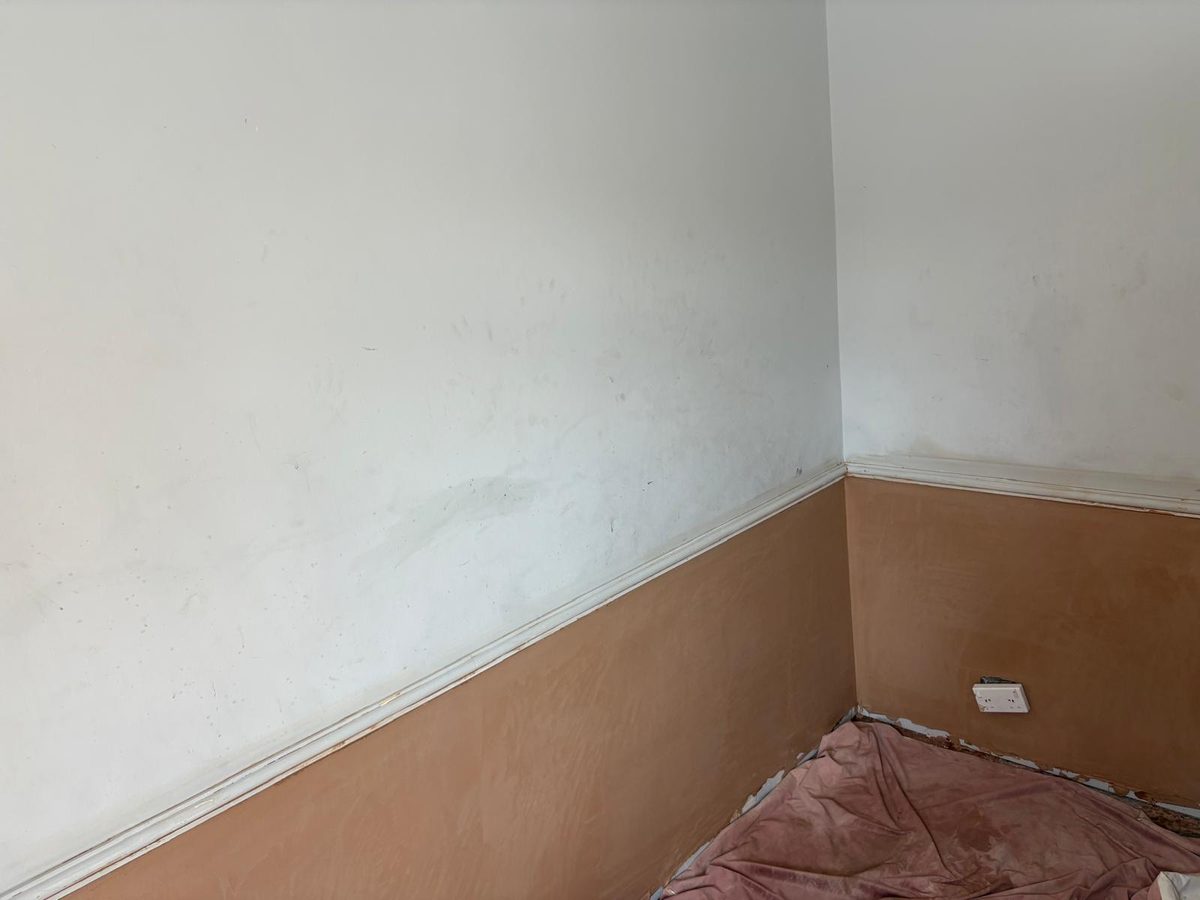
When a wall needs replastering
Plaster does not last for ever. Over time it can crack, come away from the wall behind it or break down altogether, and once that happens, filling and painting over it only buys a little time. Replastering means taking the failed plaster off and putting a new, sound surface back.
The most common reasons we replaster walls and ceilings in homes around Dewsbury and Wakefield are:
- Blown plaster. Tap the wall and listen. A hollow sound means the plaster has lost its grip on the brickwork, and it will keep spreading.
- Damp and salt damage. Walls affected by rising damp hold salts that break plaster down from the inside, so it has to come off before the wall is treated and replastered.
- Water damage from leaks. A roof leak or burst pipe can soak a ceiling or wall until the plaster sags, stains or falls. See ceiling repair.
- Old, uneven or patched walls. Walls that have been repaired so many times that a fresh skim will not sit flat on them.
Patching blown plaster rarely lasts. Each repair has less sound plaster around it to hold on to, so the loose area keeps growing, and the eventual replastering job ends up bigger than it needed to be.
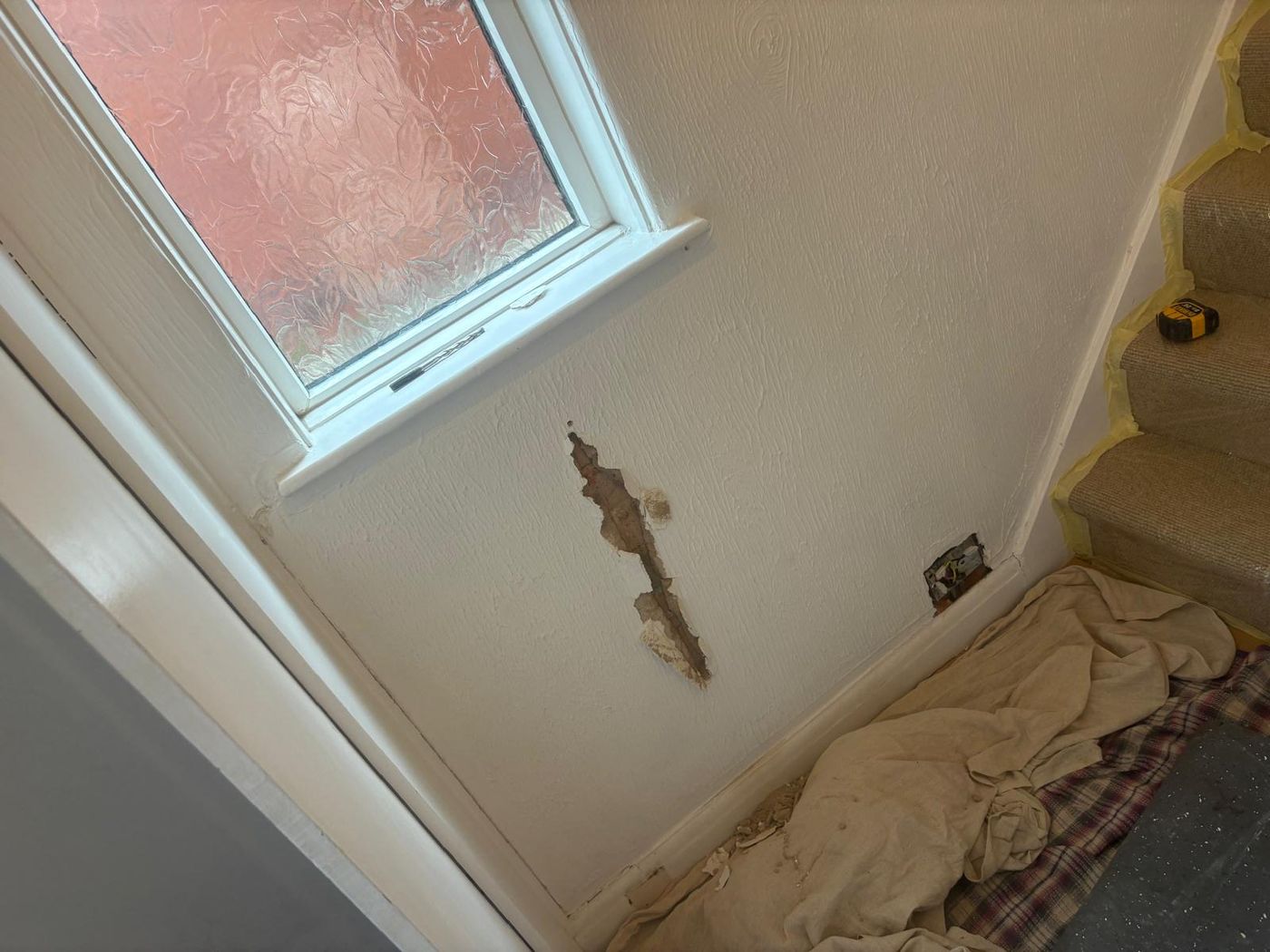
Replaster, re-skim or board: which does your wall need?
Not every tired wall needs stripping. What we recommend depends on the state of the surface underneath, and we'll tell you which applies when we see it.
- Re-skimThe existing plaster is sound and firmly attached, just marked, cracked on the surface or uneven. A thin finishing coat goes straight over it. See skimming.
- Board and skimThe surface is damaged or badly uneven. Plasterboard gives a flat, sound base, and a finishing skim goes over the board.
- Float and skimThe old plaster has been stripped back to bare brick. A backing coat brings the wall back true, then a smooth finishing coat goes on top.
- Treat, then replasterThe plaster has failed because of damp. The cause has to be fixed first, or the new plaster will fail in the same way. See rising damp treatment.
How we replaster a wall
Whether it is a single wall or a full house, the job follows the same order, and the room is left ready to decorate once the new plaster has dried.
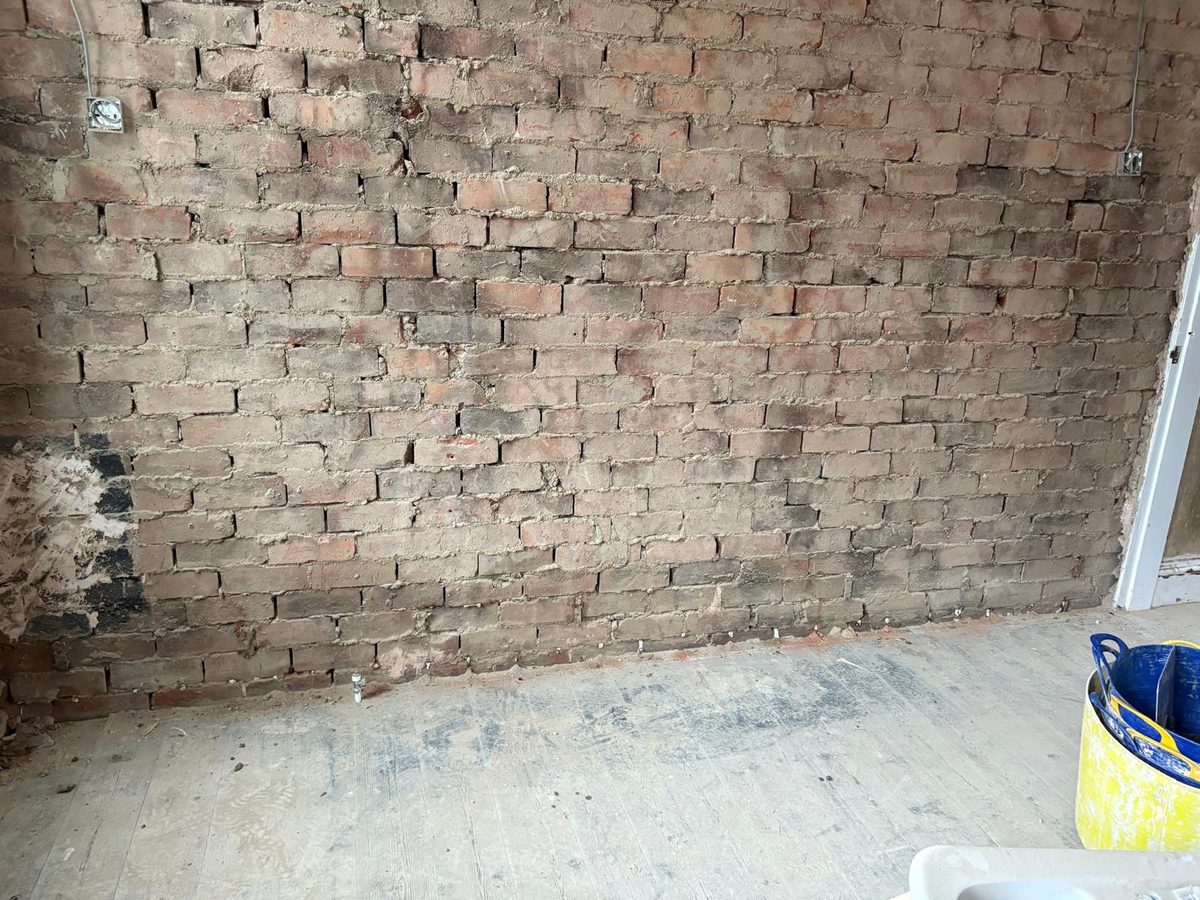
Protect and strip back
Floors and furniture are covered, then the failed plaster comes off back to a sound background. Taking it all the way back is what stops the new finish failing where the old one did.
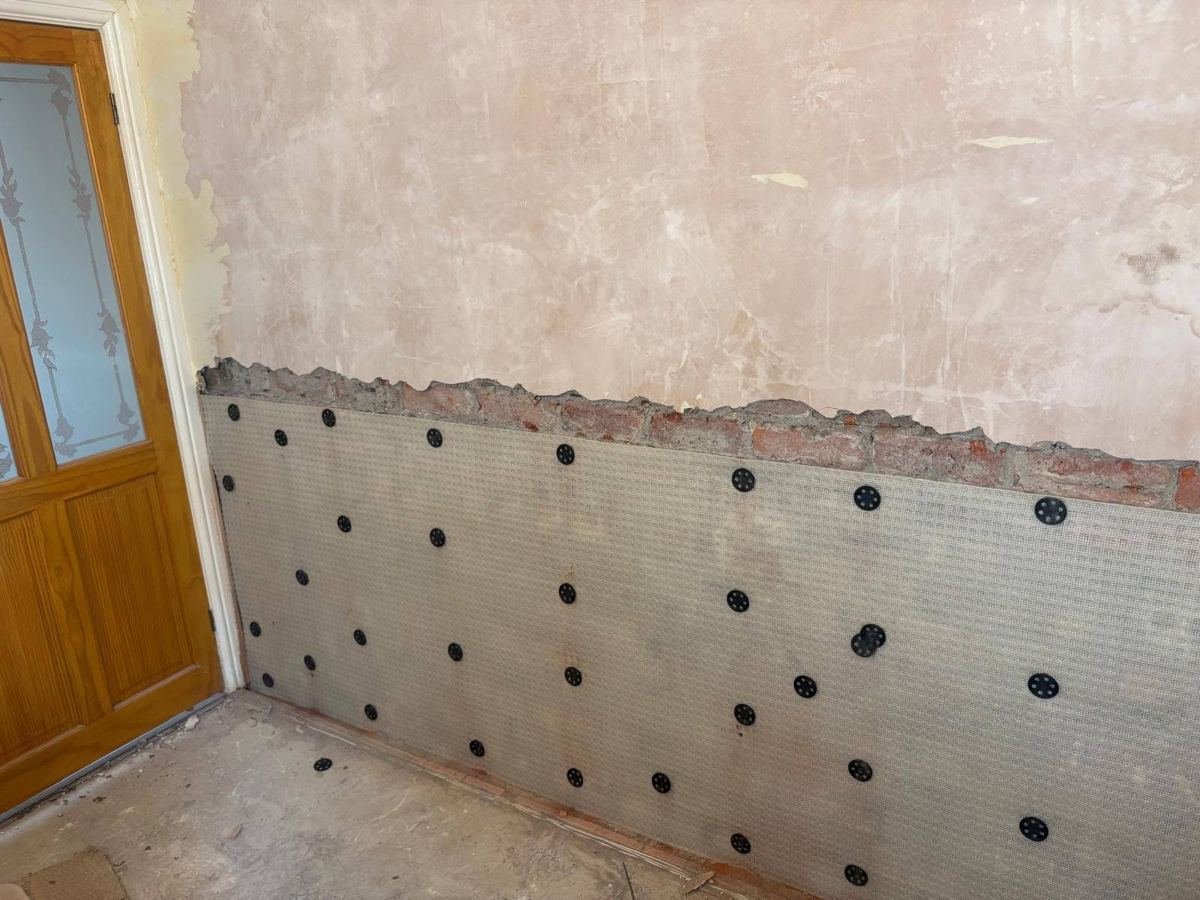
Build the wall back
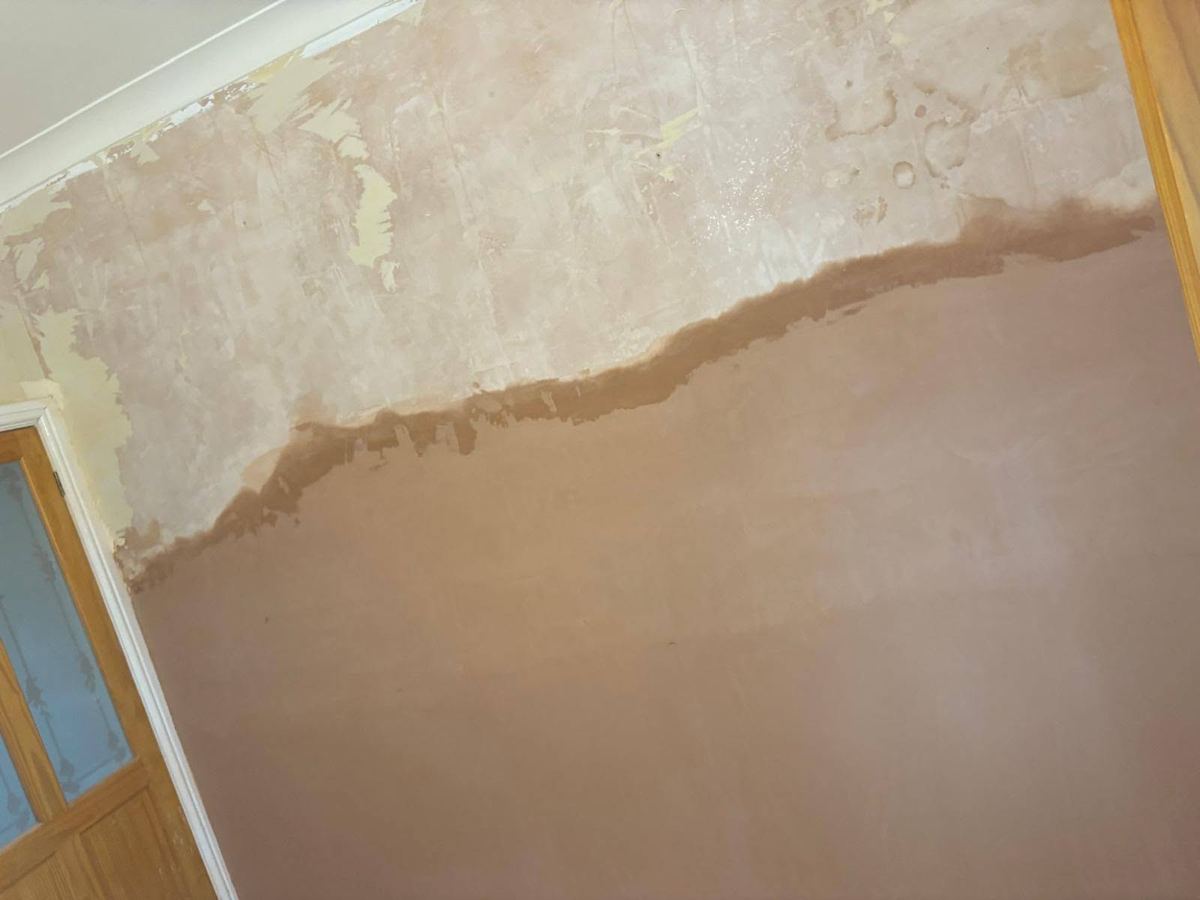
Depending on the wall, that means plasterboard, a backing coat to bring bare brick back true, or, after damp treatment, plastering over a meshed damp proof membrane.
Finish and tidy up
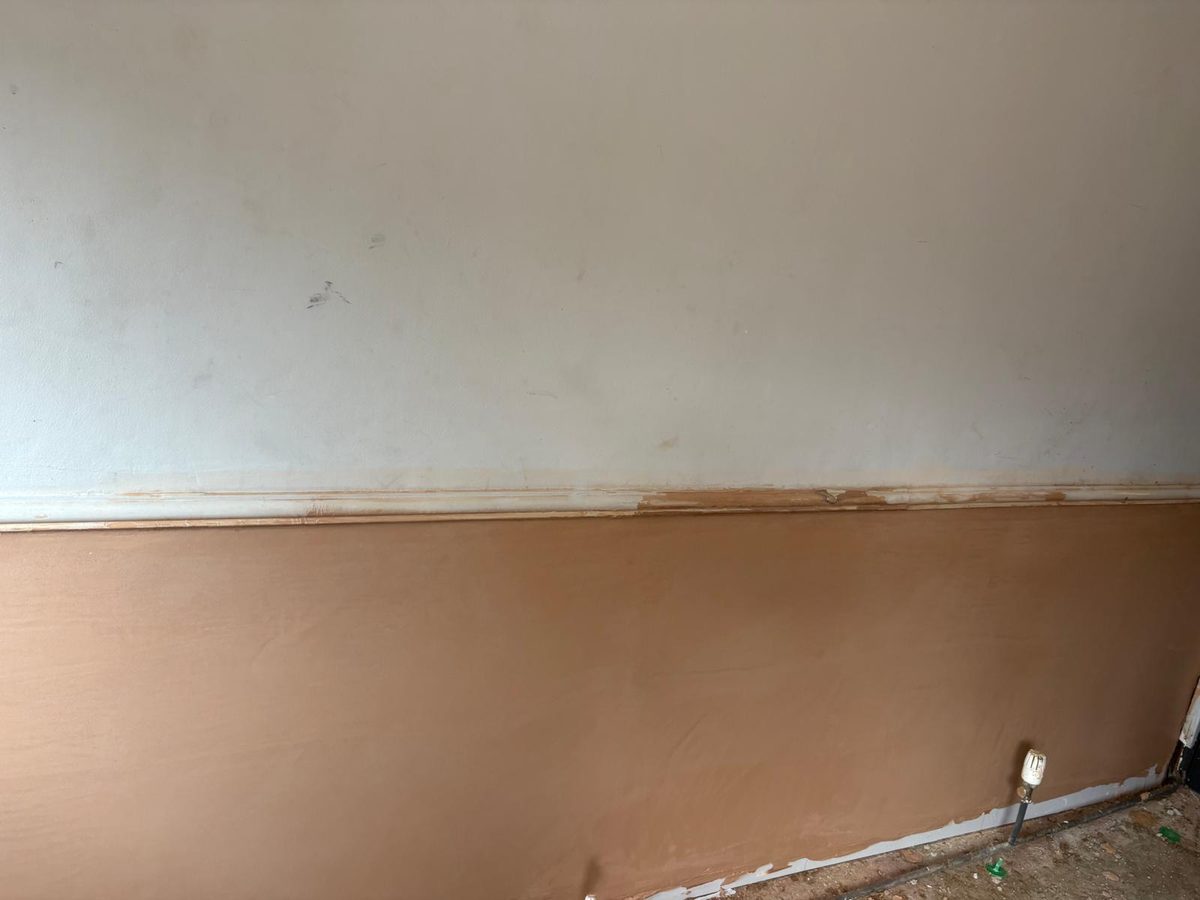
A smooth finishing coat goes on, and the room is cleaned up before we leave. Give the new plaster two weeks to dry, and it is ready for you to decorate.
Replastering after damp treatment
Replastering is the last stage of every rising damp job we do, and it matters more than it looks. Plaster that has taken in salts from a damp wall will keep drawing moisture out of the air even after the damp itself has been stopped, so patching over it brings the stains and bubbling paint straight back.
That is why we strip damp-damaged plaster right back to sound brickwork, treat the wall, fix a meshed damp proof membrane over it and only then replaster. The new finish goes onto a protected wall rather than a contaminated one.
If you are not sure whether damp caused your plaster to fail, book a free damp survey before replastering. Plastering over an untreated damp problem wastes the money you spend on it.
What affects the price of replastering
No two walls come off the same way, so we price replastering once we have seen the job. These are the things that make the difference.
- How much wall or ceilingA single wall, a room, or a full house. The size of the area is the starting point for any plastering quote.
- Walls or ceilingsCeilings are slower and harder work than walls, so a job that includes them takes longer.
- The condition underneathA sound wall that only needs a skim is quicker than one that needs boarding, and both are quicker than a wall stripped to bare brick that needs a full backing coat.
- How much has to come offStripping the old plaster is part of the job, and there is far more of it on a full strip-out than a partial one.
- Access and fittingsRadiators, kitchen units, sockets and furniture on or against the wall all have to be worked around.
- Whether damp is involvedIf the plaster failed because of damp, the wall needs treating before it is replastered. That adds to the job.
Every quote is a fixed price in writing. Ask us to look at your walls and we'll tell you which approach they need.
Replastering, before and after
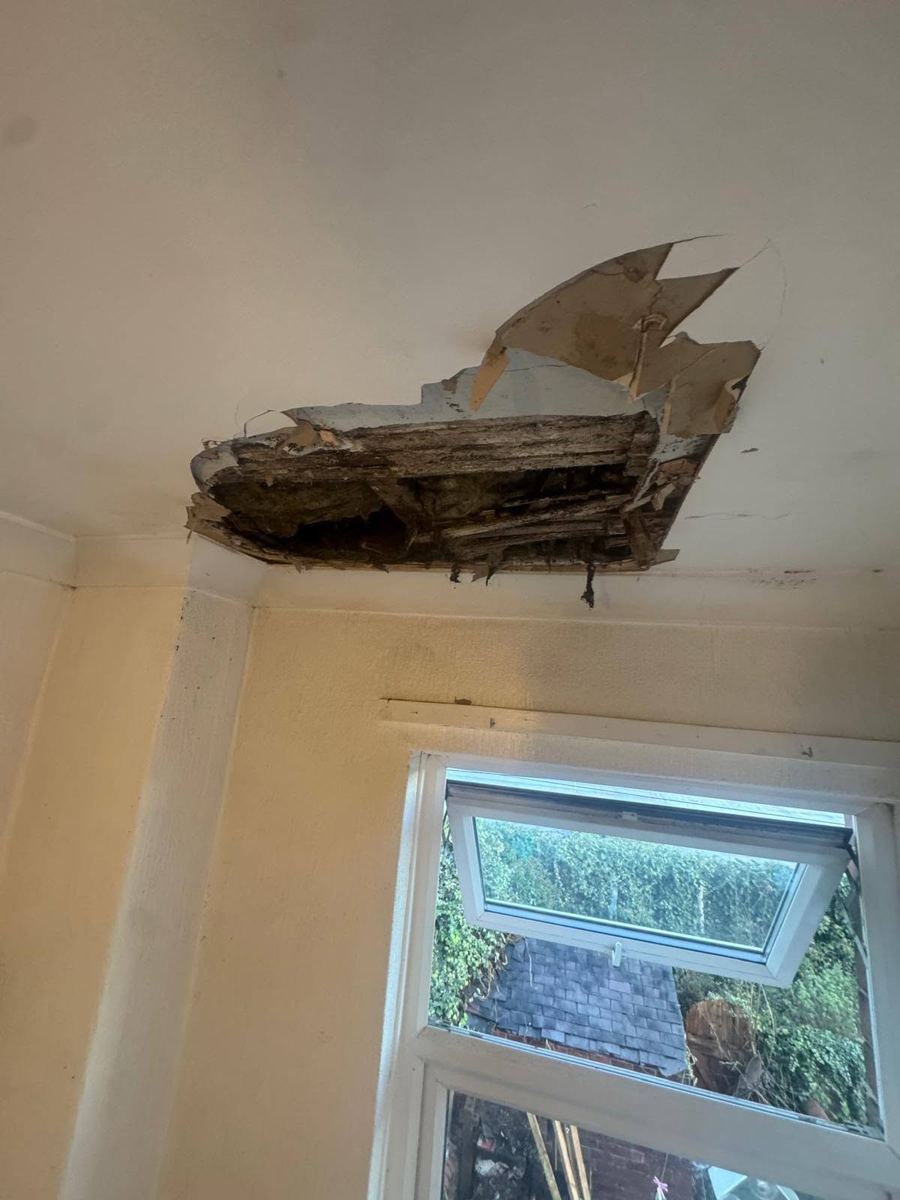
Two ceilings put right: one brought down by a roof leak at a landlord’s property, and one bathroom ceiling that had come away and was boarded and skimmed back to a clean finish. More before-and-after jobs are in our projects.
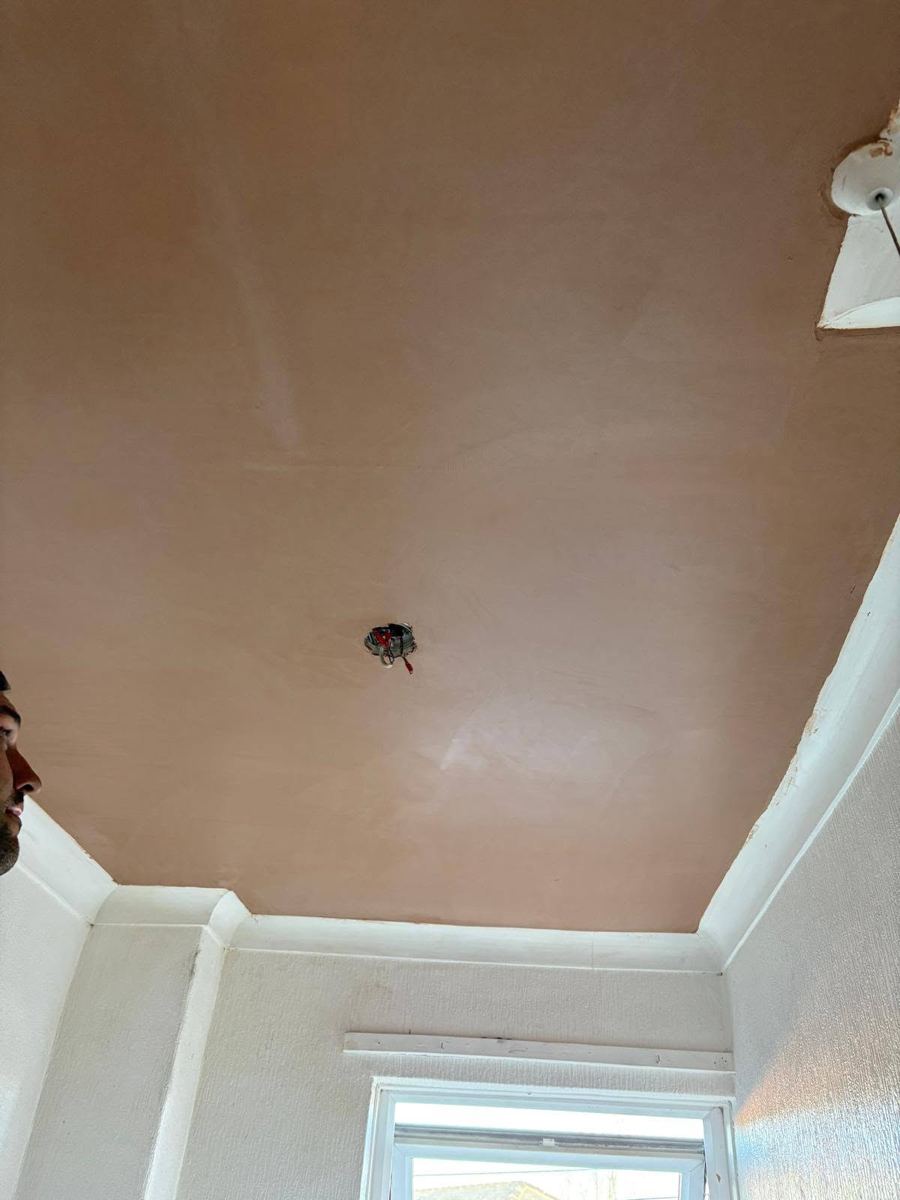
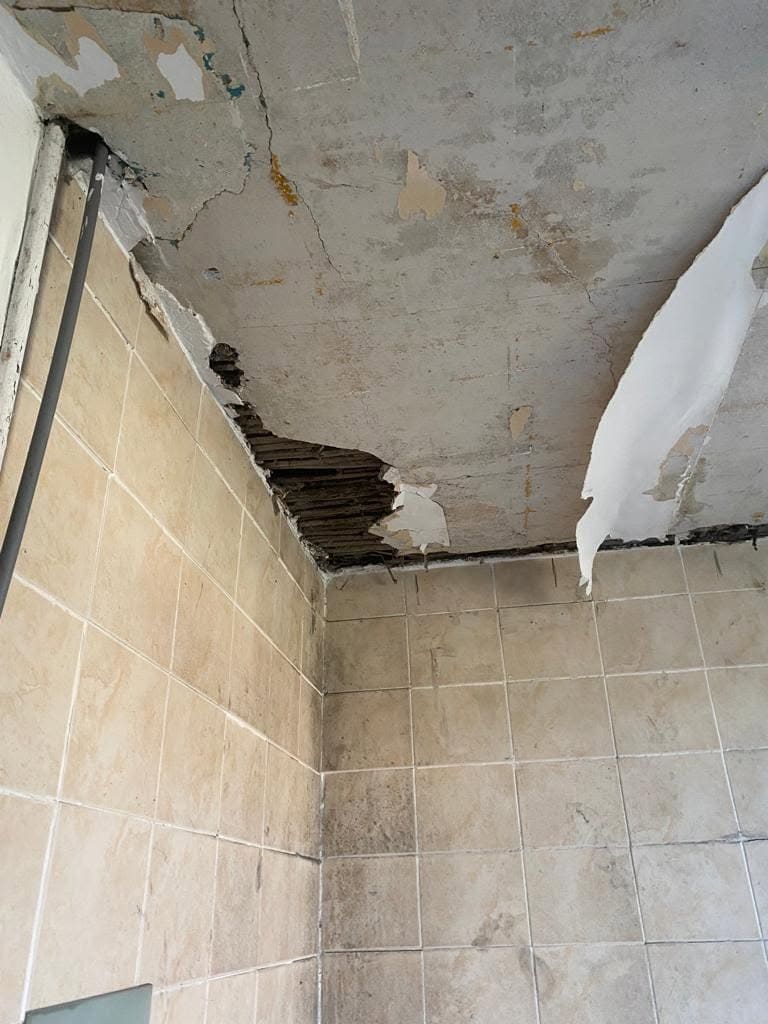
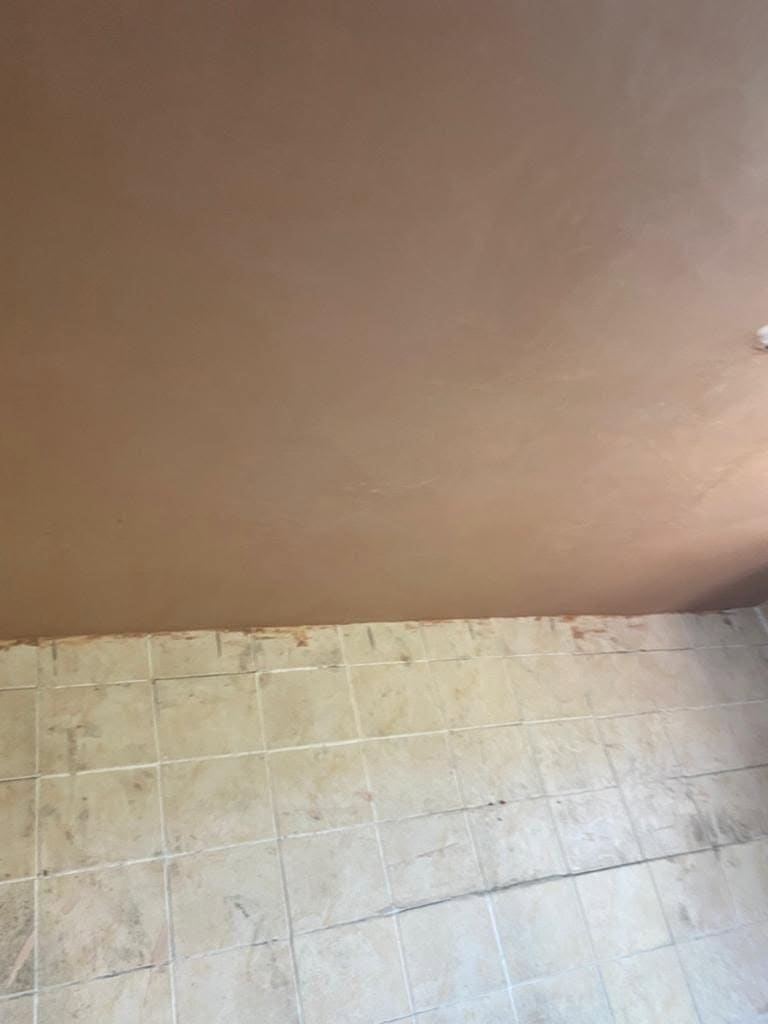
“Lewis turned up on schedule and made an excellent job of replastering the damaged ceiling.”
Guarantee
What is guaranteed, and what is not
We are straight about this: plastering itself does not come with a guarantee, from us or from anyone else. Once a wall is finished it can be drilled, knocked or damaged by anything that happens in the house. What is guaranteed is the damp proofing behind it. Where replastering is part of a damp proofing treatment, the treated areas carry our written 30-year guarantee, using manufacturer-approved systems, and it passes to the new owner if you sell.
Replastering questions
Does my wall need replastering or just a skim?
If the existing plaster is firmly attached and the surface is only marked or lightly cracked, a skim is usually enough. If it sounds hollow when you tap it, is crumbling, or has been damaged by damp, it needs to come off and be replaced. We'll tell you which applies when we see the wall.
How soon can I paint new plaster?
Give new plaster two weeks to dry before you decorate. Painting too soon traps moisture in the plaster, which can spoil the finish.
Can you replaster just one wall?
Yes. We take on plastering work of any size, from a single wall or ceiling to a full house, for homeowners, landlords and commercial clients.
Why has my plaster blown?
Blown plaster has lost its grip on the wall behind it. Damp is a common cause, because moisture and the salts it carries break plaster down from the inside, but water from leaks and plain age can do the same. If damp is behind it, that needs fixing before the wall is replastered.
Do you replaster ceilings as well as walls?
Yes. We have repaired and replastered ceilings brought down by roof leaks, and boarded and skimmed mould-damaged bathroom ceilings back to a clean finish.
Should I get damp treated before replastering?
Yes, if damp is what damaged the plaster. New plaster on a wall that is still damp will stain, bubble and blow again. A free damp survey will tell you whether damp is the cause before you spend anything on plastering.
Is replastering messy?
Taking old plaster off is dusty work, so floors and furniture are covered before we start and the room is cleaned up before we leave. Several customers mention in their reviews how clean and tidy the work was left.
Walls or ceilings need replastering?
Tell us what you are dealing with and we will come and look, then give you a fixed price in writing.