
Condensation under control — and the mould with it
Streaming windows, damp corners and black mould are usually condensation. Across Dewsbury, Wakefield and West Yorkshire, we find what is causing it and fix it at the source, often with proper ventilation such as a PIV unit rather than expensive building work.
What condensation is, and why it causes damp
Everyday life puts a surprising amount of water into the air of a home. Cooking, showers, boiling the kettle, drying clothes indoors and simply breathing all add moisture. When that warm, moist air meets a cold surface, such as a window, an outside wall or the corner of a ceiling, it cools and turns back into water.
A little condensation on a window on a cold morning is normal. It becomes a damp problem when it happens day after day and the surfaces never get the chance to dry. Walls and ceilings stay damp, paint and wallpaper start to lift, and black mould moves in, usually in corners, behind furniture and around window frames.
Condensation is one of the most common causes of damp and mould inside homes, and it is often mistaken for rising or penetrating damp. The good news is that it is often fixable with proper ventilation, rather than expensive building work.
Signs your damp is condensation
Condensation leaves a different pattern from damp coming in from outside or up from the ground. These are the clues.
- Streaming windowsWater running down the inside of the glass and pooling on the sills, especially first thing in the morning.
- Mould in corners and behind furnitureBlack spots where air does not move much: ceiling corners, the backs of wardrobes, behind sofas pushed against outside walls.
- Worse in winterThe problem builds up when the weather turns cold and windows stay shut, then eases off in summer.
- Bathrooms, kitchens and bedroomsRooms where steam is made or where people sleep with the door closed are usually hit hardest.
If you are not sure, a free damp survey will tell you whether it is condensation or something else. It matters, because treating condensation as rising damp costs money and fixes nothing.
How a PIV unit controls condensation
PIV stands for Positive Input Ventilation. It is designed to tackle condensation across the whole house, rather than one room at a time.
A PIV unit is a fan unit, usually fitted in the loft, that draws in fresh, filtered air and feeds it gently into the home, typically through a vent in the ceiling of the landing. That steady supply of fresh air slightly pressurises the house, pushing the stale, moist air out through the natural gaps around windows and doors and diluting the moisture that causes condensation.
Because it runs all the time at a low level, a PIV system reduces condensation and improves indoor air quality all year round, not just when someone remembers to open a window. Homes without a suitable loft, such as many flats, can use wall-mounted versions instead.
PIV is not the answer to every condensation problem, and it will not fix damp coming from outside or from the ground. That is why we find the cause first.
How we deal with condensation
We treat the cause, not just the symptoms.
- 1. Find the causeOn a free survey we check whether the damp really is condensation, take damp meter readings and look at where and why moisture is building up.
- 2. Improve the ventilationWhere it suits the home, that means installing a PIV unit to keep fresh air moving through the house all year round.
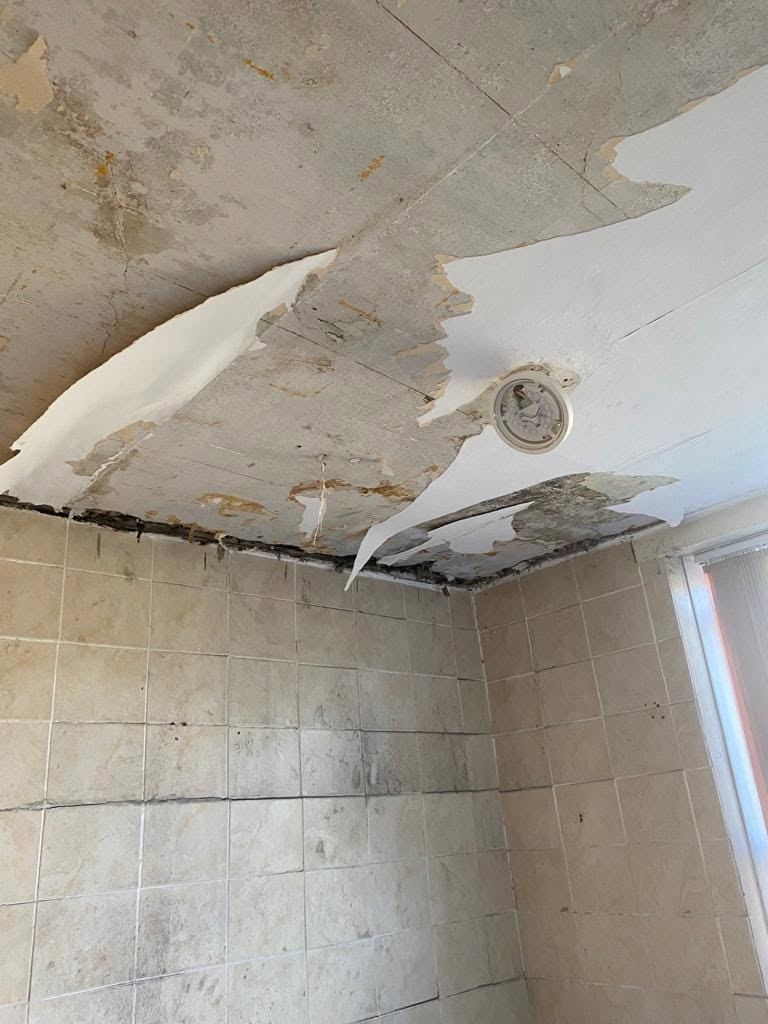
- 3. Put right the damagePlaster or ceilings that have been damaged by long-term damp and mould can be replaced or boarded and skimmed, so you are not left with the marks.
- 4. Honest adviceWe explain what was causing the condensation in plain English, including the everyday habits that make a difference, so it stays under control.
Everyday ways to cut condensation
These small changes reduce the amount of moisture in the air. They help in any home, and if condensation keeps coming back despite them, that is a sign the house needs better ventilation.
- Put lids on pans when cooking, and use the extractor fan while you cook and shower.
- Close the kitchen and bathroom doors while they are steamy, so the moisture does not spread through the house.
- Dry clothes outside where you can. If you must dry them indoors, do it in one room with a window open and the door shut.
- Leave a small gap between large furniture and outside walls so air can move behind it.
- Open trickle vents on windows, and open a window briefly each day to let moist air out.
- Keep the heating at a steady low level in cold weather rather than letting rooms get very cold and then warming them quickly.
- Wipe water off windows and sills each morning so it does not soak into the frames and plaster.
What affects the price of condensation control
Condensation control can be a single installation or a wider job. These are the things that decide the cost.
- What the survey findsWhether the damp is condensation alone, or condensation on top of another problem that also needs treating.
- The type of PIV unitA loft-mounted unit and a wall-mounted unit for a home without a loft are different installations.
- Access and powerHow easy the loft or wall position is to reach, and how easily a power supply can be run to the unit.
- Damage to put rightMould-damaged plaster, ceilings or boards that need replacing add to the job, depending on how many rooms are affected.
Start with the cause. Book a free damp survey and you'll get a straight answer and, if work is needed, a fixed price in writing.
Guarantee
Fixed prices, and the guarantee on damp treatment
Condensation control is quoted as a fixed price in writing, and never a penny more without agreeing it with you first. If the survey finds rising damp as well as condensation, the damp proofing treatment comes with our written 30-year guarantee on treated areas, which passes to the new owner if you sell.
Condensation questions
How can I tell if my damp is condensation?
Condensation tends to show up as water on the inside of windows, damp or mouldy corners, and mould behind furniture, and it is usually worst in cold weather and first thing in the morning. Damp from outside or from the ground behaves differently. If you are not sure, a free damp survey will tell you which you have.
How does a PIV unit stop condensation?
A PIV unit feeds a steady supply of fresh, filtered air into the home. That gently pushes stale, moist air out through the natural gaps around windows and doors, so there is less moisture left in the air to settle on cold surfaces.
Where is a PIV unit fitted?
In most houses the unit sits in the loft and supplies air through a vent in the ceiling, usually on the landing. Homes without a suitable loft, such as flats, can use a wall-mounted unit instead.
Will a dehumidifier fix condensation?
A dehumidifier takes water out of the air in the room it is in, which can help. It does not change how air moves through the house, so on its own it often keeps a problem under control rather than solving it, and the tank needs emptying.
Why is condensation worse in winter?
In cold weather, walls and windows are colder and windows stay shut, so moisture from cooking, washing and breathing has nowhere to go and settles on the coldest surfaces. That is why condensation and mould often build up from autumn onwards.
Can condensation cause black mould?
Yes. Mould needs moisture to grow, and surfaces that stay damp from condensation give it exactly that. Cleaning the mould off without dealing with the condensation usually means it comes back.
Do you deal with condensation and mould in rented homes?
Yes. We carry out damp and mould inspections for landlords, letting agents and housing providers, with written findings and dated photographs, and the remedial work to put it right.
Streaming windows or mould coming back?
Book a free damp survey and we will tell you whether it is condensation and what will stop it.