
Artex, covered and skimmed flat — no scraping
Swirls, stipple and combed patterns on ceilings and walls, covered and skimmed to a flat, modern finish across Dewsbury, Wakefield and West Yorkshire. In most cases the artex never has to come off.
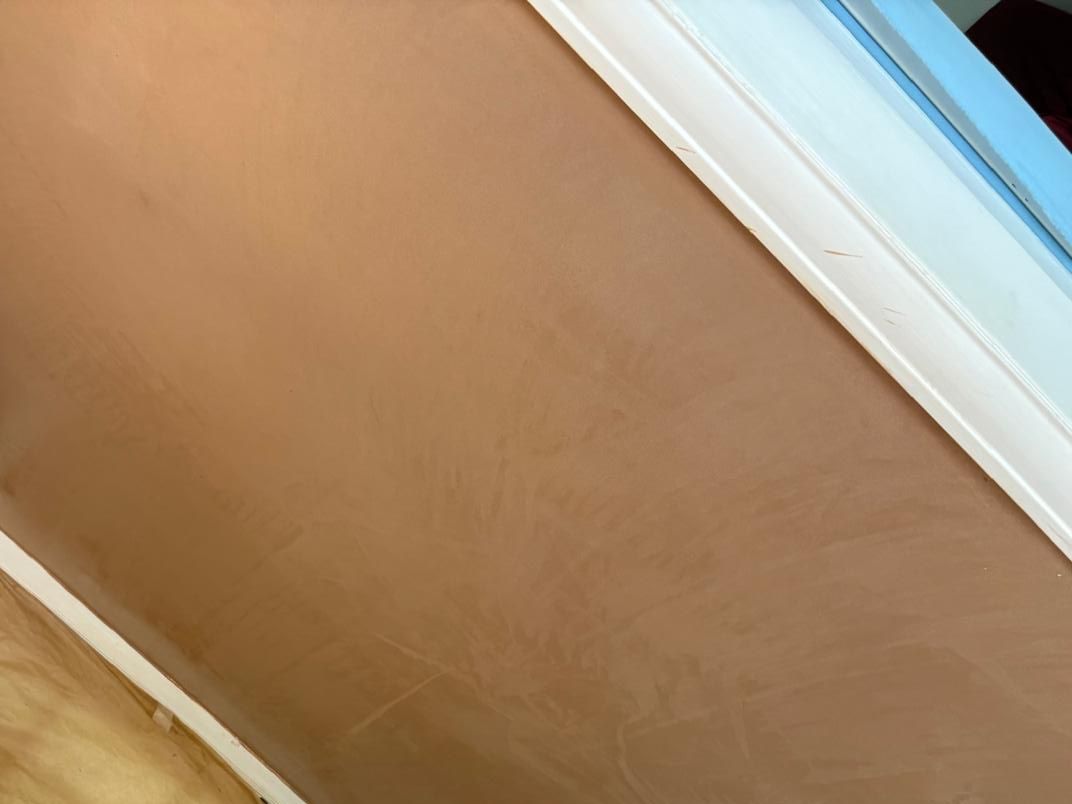
Covering artex, rather than removing it
Artex was on almost every ceiling for decades, and plenty of homes still have it. Once you are tired of the pattern, there are three ways to deal with it, and covering is usually the sensible one.
Skim over it. A thin finishing coat goes straight over the texture and is trowelled flat. It is the quickest, cleanest option, and it works on most patterns.
Overboard it. Where the texture is very heavy, or the surface underneath is not sound, plasterboard goes over the top first and the skim goes on that. It costs more, but it guarantees a flat finish.
Take it off. Scraping or steaming artex off is slow, filthy work, and with older coatings it risks disturbing material that may contain asbestos. We would rather cover it.
The patterns we cover most
Artex is a brand name that became the word for any textured coating, and it turns up in a handful of familiar patterns. They all cover in the same way, but the heavier the pattern, the more work it takes to bring flat.
- Swirls and circlesThe classic ceiling pattern, often with a raised border round the edge. Usually skims over without trouble.
- Stipple and popcornA light, bobbled finish. One of the easiest to cover, and one of the messiest to try to scrape off.
- Combed and fan patternsDeeper, sharper ridges. These often need knocking back first, or overboarding where the ridges are pronounced.
- Textured wallsLess common than ceilings, but plenty of hallways and stairwells have it, and it covers the same way.
Not sure which you have? Send a photo over WhatsApp on 07931 095 536 and we will tell you whether it can be skimmed straight over.
Artex and asbestos
Textured coatings made before the turn of the 1990s can contain a small amount of asbestos. Left alone and in good condition it is not considered a risk. The risk comes from disturbing it: sanding, scraping or drilling releases fibres.
That is one of the strongest arguments for covering artex rather than removing it. A skim or a new board seals the surface instead of breaking it up. If you want to know for certain what your ceiling is, it can be tested before any work starts, and we would always rather you did that than guess.
How we cover artex
A straightforward job on most ceilings and walls.
Check the surface
We look at how heavy the texture is and whether the surface underneath is sound, then tell you whether it can be skimmed directly or needs boarding first.
Prepare and protect
Floors and furniture are covered, high points are knocked back where they need to be, and the surface is prepared so the new coat bonds properly.
Skim flat
The finishing plaster goes on in coats and is trowelled up flat and smooth. Two weeks later it is ready to decorate.
What affects the price of covering artex
These are the things we look at before pricing an artex job.
- How heavy the pattern isA light stipple takes less work to bring flat than a deep swirl or a heavily combed pattern.
- Skim or overboardSkimming straight over is the cheaper route. Overboarding costs more in materials and time but handles the worst surfaces.
- Ceilings or wallsArtex ceilings are slower to work on than walls of the same size.
- How many roomsOne ceiling, a landing and stairwell, or a whole house of artex.
Every quote is a fixed price in writing. Ask us to look at it and we will tell you whether yours can be skimmed straight over.
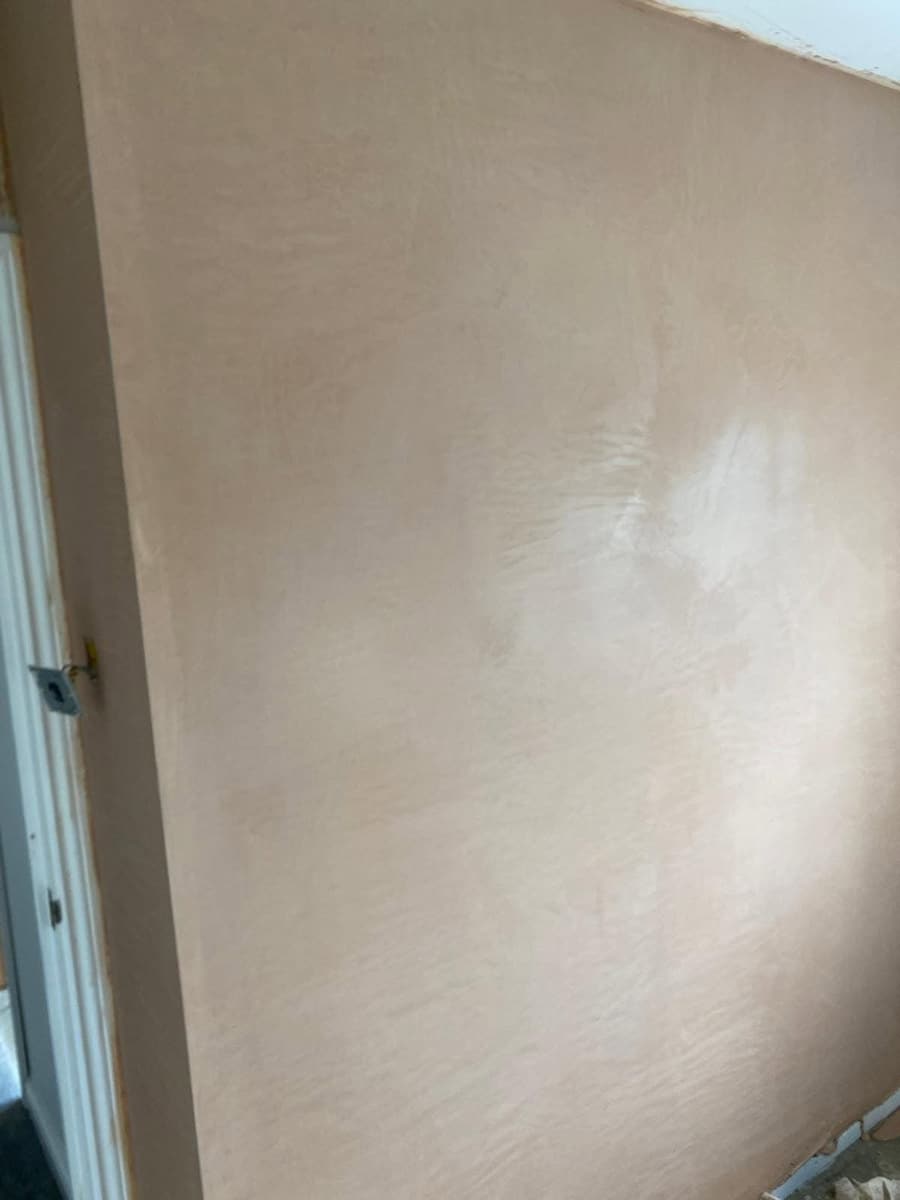
A hallway and stairwell, skimmed over artex
On a recent job, a small section of rising damp was treated at the source and the surrounding hallway and stairwell walls were then re-skimmed straight over the existing artex, leaving a flat, smooth finish ready to decorate.
More jobs, photographed from start to finish, are on our projects page.
Artex questions
Can artex be skimmed over?
In most cases, yes. A finishing coat goes straight over the texture and is trowelled flat, which is quicker and far less mess than removing it. Very heavy patterns may need boarding over first.
Is it safe to leave artex in place?
Textured coatings in good condition are not considered a risk while they are left undisturbed. Covering them with a skim or new board is a way of leaving them undisturbed, which is why it is usually preferred to scraping.
Should I have my artex tested for asbestos?
If your home is older and you want certainty, yes, it can be tested before work starts. It is worth doing if anyone is planning to sand, scrape or drill into it.
Can you take artex off instead?
It can be removed, but it is slow, dirty work and with older coatings it risks disturbing material best left alone. We would normally recommend covering it.
Will the ceiling look completely flat afterwards?
Yes. Once skimmed, an artexed ceiling looks like any other smooth plastered ceiling, ready for decorating.
How soon can I paint it?
Give the new skim two weeks to dry before decorating. Painting too soon traps moisture in the plaster and can spoil the finish.
Tired of looking at artex?
Book a free visit and we will tell you whether it can be skimmed straight over, with a fixed price in writing.