
Skimming walls and ceilings — smooth again, without stripping back
Skimming for walls and ceilings across Dewsbury, Wakefield and West Yorkshire. Tired, cracked or artexed surfaces covered with a thin finishing coat and trowelled flat and smooth, ready to decorate.
What skimming is
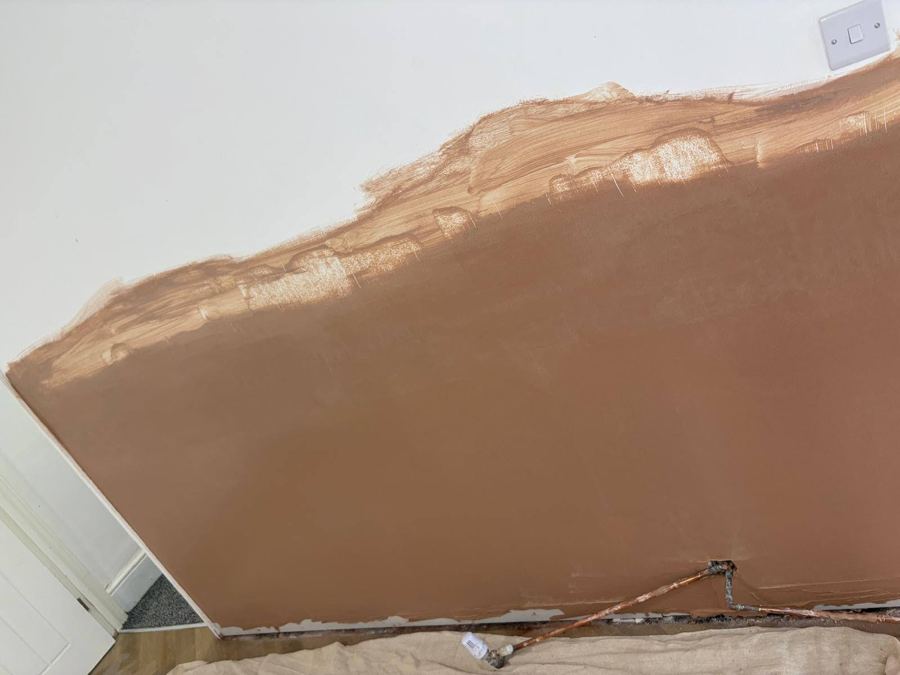
Skimming is a thin finishing coat of plaster applied over an existing surface and trowelled smooth. It is the last coat on most plastering jobs, but it is also a job in its own right: a way to turn a tired, marked or textured wall or ceiling into a flat, smooth surface without stripping anything back.
Because the old surface stays where it is, skimming is quicker, cleaner and less disruptive than full replastering. There is no hacking off, far less dust, and the room is usually back in use sooner.
The catch is that a skim is only as good as what it sits on. It needs a sound, firmly attached surface underneath. If the plaster is hollow, crumbling or damaged by damp, skimming over it just hides the problem for a while, and that wall needs re-plastering instead.
When skimming is the right choice
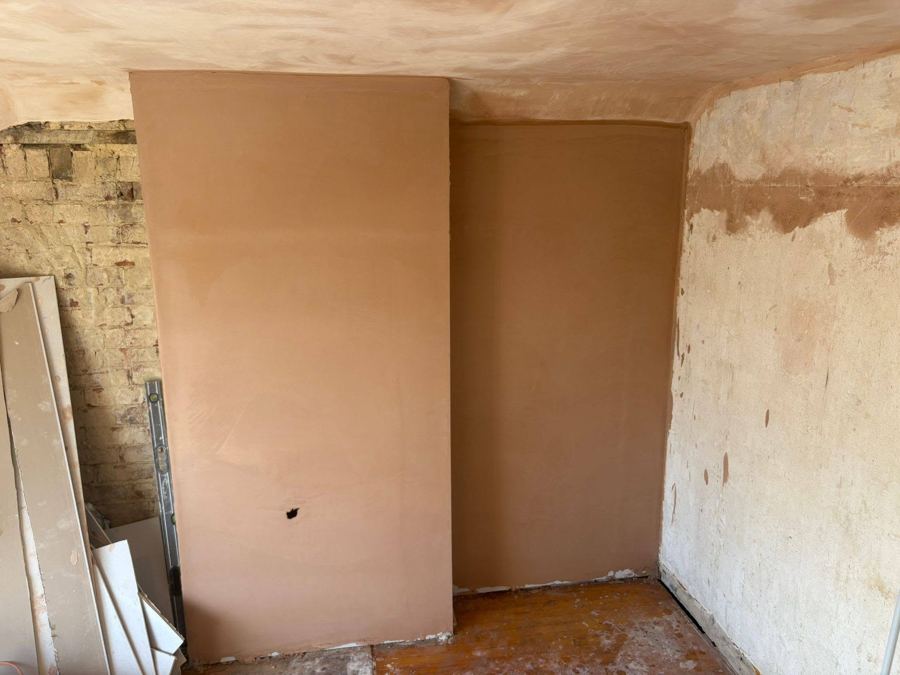
Skimming works well on walls and ceilings that are structurally sound but look worn. These are the jobs it suits best.
- Tired, marked wallsYears of filled holes, scuffs and patch repairs that show through every coat of paint.
- Fine surface cracksHairline cracking in otherwise sound plaster. Cracks that keep moving, or that are wide and deep, need looking at before anything is covered.
- Artex walls and ceilingsTextured coatings skimmed over to leave a flat, modern finish, without scraping the old texture off.
- Damage after stripping wallpaperPlaster left torn or uneven once old paper has come off.
- New plasterboardBoarded walls and ceilings finished with a skim so they are smooth and ready to decorate, including walls overboarded to straighten them out first.
- Not suitable: blown or damp plasterA hollow sound when you tap the wall, crumbling plaster or damp patches mean the surface underneath has failed, and it needs replacing or treating first.
Not sure which you have? Tap the wall in a few places. A solid, dull sound means the plaster is well attached. A hollow, drummy sound means it has come away from the wall and needs more than a skim. We check this properly when we come to quote.
Skimming over artex
Artex and other textured coatings were popular on walls and ceilings for decades, and plenty of homes still have them. Scraping artex off is slow, messy work. In most cases it does not need to come off at all: it can be skimmed straight over to give a flat, smooth finish.
On one recent job we did exactly that on a hallway and stairwell. Once a small section of rising damp had been treated, the surrounding walls were re-skimmed directly over the existing artex and left ready to decorate.
There is more detail on patterns, overboarding and testing on our artex covering page. One thing worth knowing: older textured coatings can contain asbestos. Covering artex rather than sanding or scraping it avoids disturbing it, which is one reason skimming over it is often the sensible option. If you are unsure about yours, it can be tested before any work is done.
How we skim a wall or ceiling
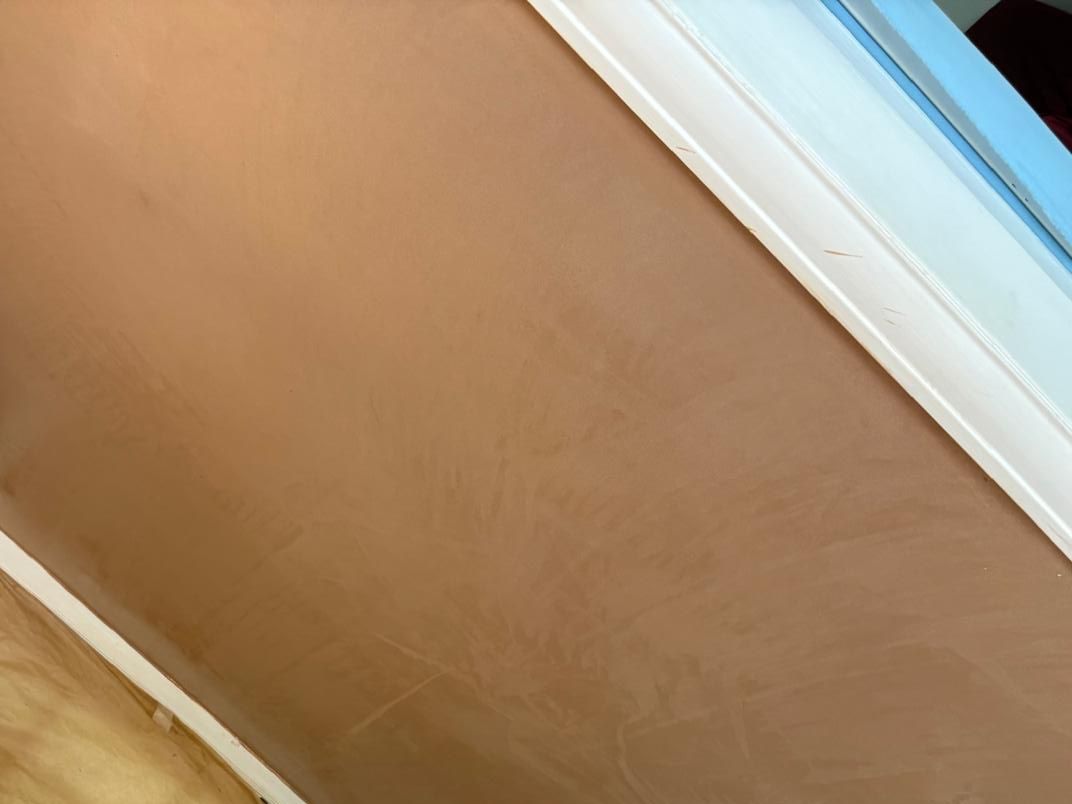
A skim coat is only a few millimetres thick, so almost all of the quality comes down to preparation and timing. Rushing either one is what leads to marks, ripples or a finish that cracks as it dries.
- 1. Protect the roomFloors and furniture are covered before any plaster is mixed.
- 2. Prepare the surfaceLoose material comes off, gaps and cracks are dealt with, and the surface is prepared so the new coat bonds to it properly.
- 3. Apply and trowel smoothThe finishing plaster goes on in thin coats and is trowelled up as it firms, which is what gives a flat, glass-smooth surface.
- 4. Clean up and leave it to dryThe room is cleaned before we leave. Leave the new skim two weeks to dry out, then it is ready to decorate.
What affects the price of skimming
Skimming is usually the most affordable way to get a smooth wall, because nothing has to be stripped back first, but the price still depends on the room and the state of its surfaces. These are the things we look at.
- AreaThe number and size of walls and ceilings being skimmed.
- Walls or ceilingsCeilings are harder, slower work overhead, so they take longer than walls of the same size.
- How heavy the texture isA deep or heavily patterned artex needs more work to bring flat than a light texture or a plain wall.
- PreparationRemoving wallpaper, taking off loose material and dealing with cracks all happen before the skim goes on.
- Height and accessStairwells and tall walls need more setting up to reach safely, and furniture or fittings have to be worked around.
- What is underneathIf a patch of plaster turns out to be loose once work starts, that section needs repairing before it can be skimmed. We will explain and agree it with you first.
Every quote is a fixed price in writing. Ask for a free quote and we'll tell you whether your walls can be skimmed or need more.
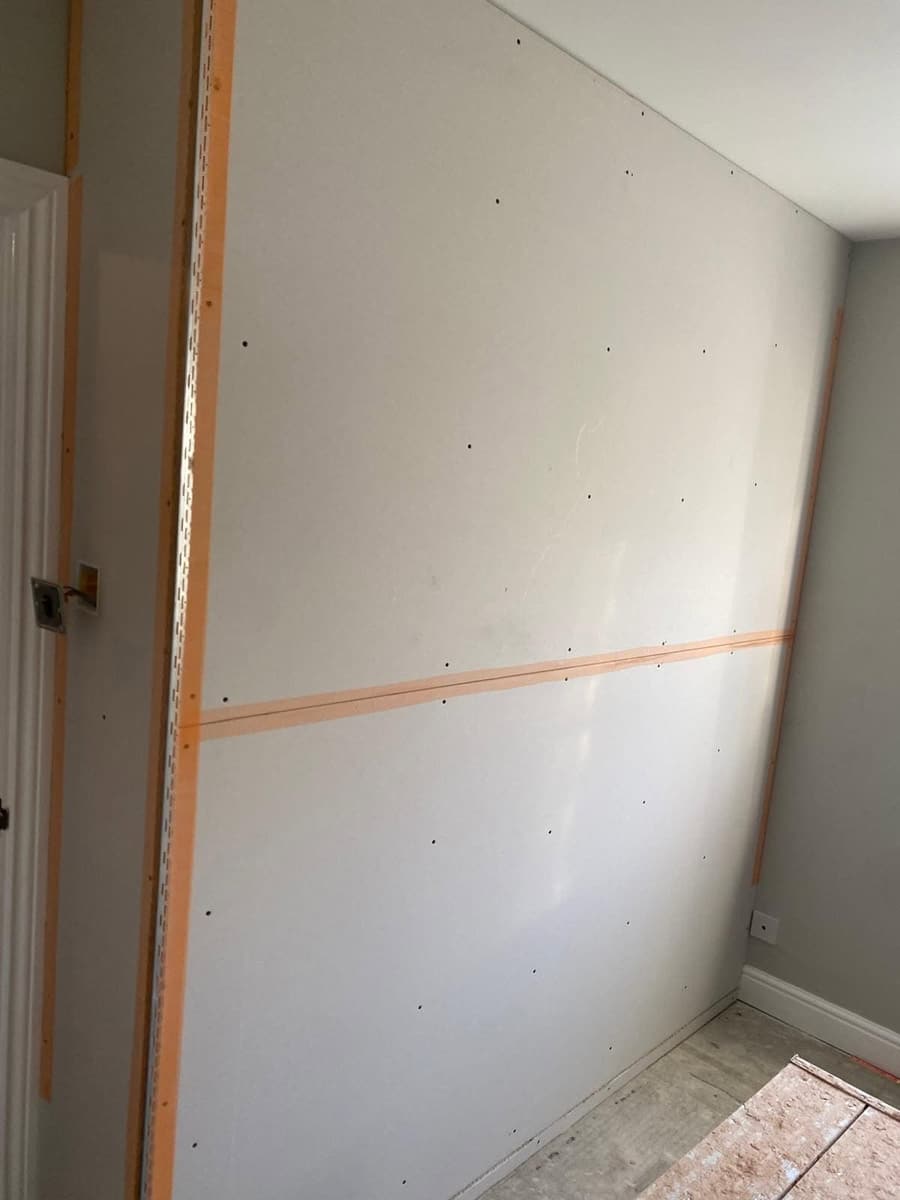
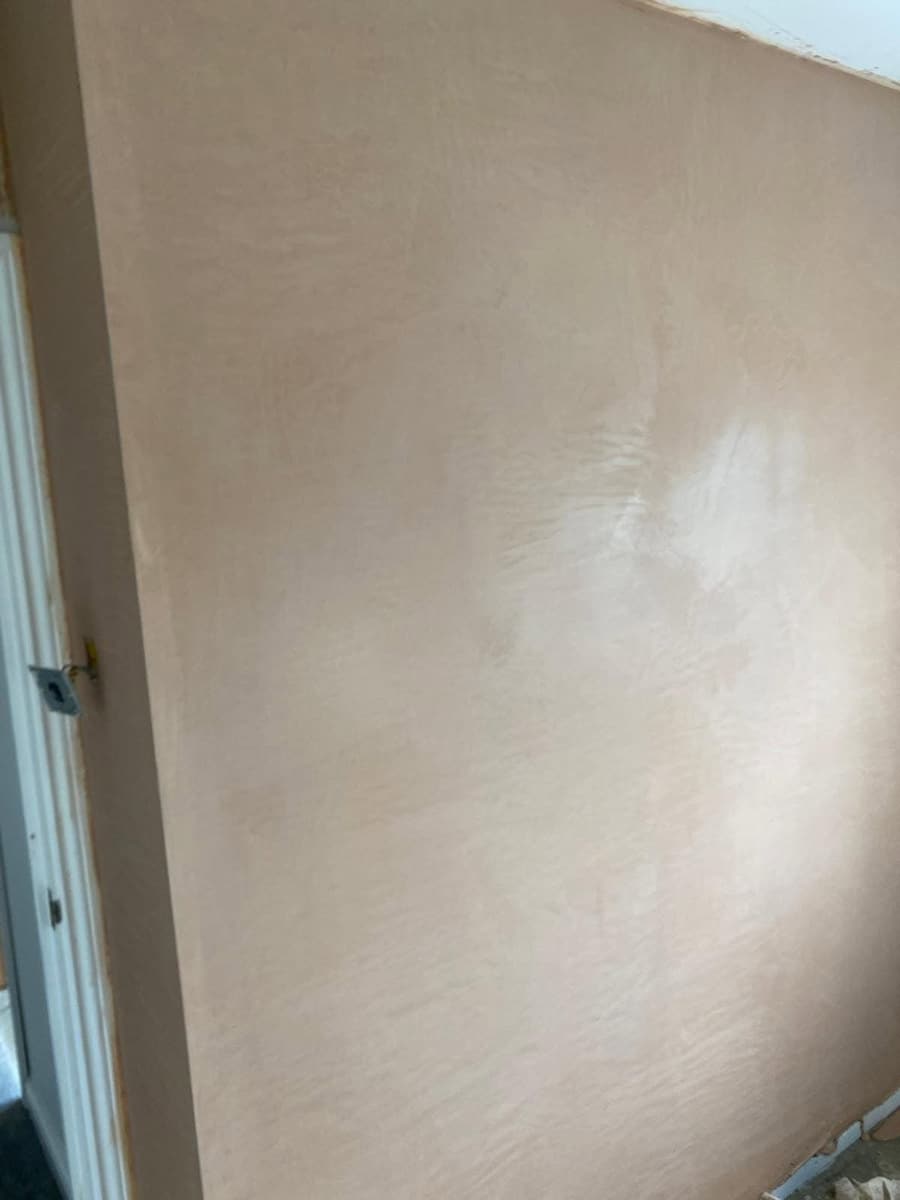
Boarded, then skimmed
A partition wall plasterboarded and taped, then skimmed to a flat, smooth finish ready to decorate. We did the same on a loft bedroom in Morley, where the walls were overboarded and skimmed and left ready for decorating. More of our work is in our projects.
Guarantee
Fixed prices, and a guarantee where damp is involved
Skimming is quoted as a fixed price in writing, and never a penny more without agreeing it with you first. Plastering work itself carries no guarantee, from us or from anyone else, because a finished wall can be knocked or drilled at any time. Where plastering is part of a damp proofing treatment, the treated areas are covered by our written 30-year guarantee, which passes to the new owner if you sell.
Skimming questions
Can you skim over artex?
Yes. In most cases artex can be skimmed straight over without scraping it off first, which saves time and mess. Very heavy textures may need more work to bring flat, and we will tell you if yours does when we see it.
Is it safe to skim over artex that might contain asbestos?
Older textured coatings can contain asbestos, and the risk comes from disturbing them, for example by sanding or scraping. Covering artex with a skim avoids that. If you are worried about yours, it can be tested before any work is done.
Can you skim over wallpaper?
No. Plaster will not bond properly to wallpaper, so the paper has to come off first. If stripping it damages the plaster underneath, a skim is often the best way to put that right.
What's the difference between skimming and replastering?
Skimming puts a thin finishing coat over a surface that is already sound. Replastering takes failed plaster off and builds the wall back up before it is finished. If your plaster is hollow, crumbling or damp, it needs replastering rather than a skim.
How long should a skim coat dry before painting?
Leave a freshly skimmed wall or ceiling two weeks before decorating. It may look dry sooner, but paint put on too early traps moisture in the plaster and can spoil the finish.
Will skimming get rid of cracks?
It will cover fine surface cracks in sound plaster. Cracks that are wide, deep or keep reopening usually mean something is moving behind them, and they need looking at first, or they will show through the new skim.
Can you skim a ceiling?
Yes. Ceilings are skimmed in the same way as walls. Where a ceiling is too damaged to skim directly, it can be boarded first, as we did on a bathroom ceiling that had come down and on a loft bedroom in Morley.
Want smooth walls again?
Tell us about the walls or ceilings and we will tell you whether a skim will do, with a fixed price in writing.