
Plastering done properly — from a single wall to a full house
Experienced plasterers working across Dewsbury, Wakefield and West Yorkshire. Dry lining, dot and dab, float and set, levelling and hard wall plastering, finished smooth and ready to decorate, with or without any damp work.
Plastering is where we started
E&H started out as plasterers, before damp proofing became a big part of what we do, and we still take on straight plastering work with no damp involved. That might be a single wall that needs putting right, a ceiling, or a full house being renovated from the brickwork out.
We plaster for homeowners, landlords and commercial clients across Dewsbury, Wakefield, Leeds and the towns around them, and we work alongside builders and other trades on bigger projects. Whoever the job is for, the aim is the same: a flat, smooth finish that is ready to decorate, and a room left clean and tidy.
If you are new to plastering work and not sure what your walls need, that is fine. We explain the options in plain English and tell you which one fits the wall in front of us, and we are happy to talk you through each step as the work goes on.
Our plastering services
There is more than one way to build a wall up to a smooth finish. The right method depends on what the wall is made of, how flat it is and how quickly the room needs to be back in use. Whichever we use, we will explain why it suits your wall before any work starts.
- Dry liningPlasterboard fixed to a timber or metal framework, giving a clean, straight wall quickly. It suits walls that are badly out of true, and the frame leaves room for insulation where it is needed. The board is then skimmed or finished ready to decorate.
- Dot and dabPlasterboard bonded straight onto brick or block with dabs of adhesive. It gives a level surface without the drying time and mess of a full wet backing coat, which makes it a good choice on sound masonry walls.
- Float and setThe traditional two-coat method. A backing float coat brings the wall true, then a finishing set coat leaves it smooth. It is the usual choice on bare brick once old plaster has been stripped off.
- LevellingUneven, bowed or damaged masonry brought back flat before the finishing coat goes on. Without it, every lump and hollow in the wall shows through the new plaster.
- Hard wallA tough, high-impact backing plaster for brick and block, used where a wall needs a tougher, more durable base before it is skimmed.
- Skimming and re-plasteringA thin finishing coat over sound plaster, board or artex is skimming. Stripping failed plaster and putting a new surface back is re-plastering.
How a plastering job runs
Straightforward from the first visit to the finished wall, whether it is one room or a whole renovation.
We look and we quote
We come and look at the walls and ceilings, explain which method suits them and why, and give you a fixed price in writing.
Prepare and protect
Floors and furniture are covered. Anything loose or failed comes off, and the walls are prepared so the new plaster has a sound surface to bond to.
Plaster and clean up
The walls are built up and finished smooth, and the room is cleaned before we leave. Give the new plaster two weeks to dry, then decorate.
What affects the price of plastering
Plastering is priced on the job in front of us rather than from a list, because the same size of room can take very different amounts of work. These are the main variables.
- The size of the areaHow many walls and ceilings are involved, and how big they are. One wall and a whole house are priced very differently.
- The method the wall needsA skim over sound plaster is the lightest job. Boarding, a full float and set, or levelling a badly uneven wall all take more time and materials.
- Ceilings and heightCeilings, tall walls and stairwells are slower to plaster than a standard wall at head height.
- What has to come off firstOld wallpaper, loose or blown plaster, or a full strip-out back to brick all have to be done before the new plaster goes on.
- Access and fittingsSockets, switches, radiators, kitchen units and furniture all have to be worked around or moved.
- Whether damp is involvedIf a wall is damp, plastering over it will fail. It needs treating first, and that is a separate part of the work.
The quickest way to a real figure is to let us see the walls. Ask for a free quote and you'll get a fixed price in writing.
Finished plastering work
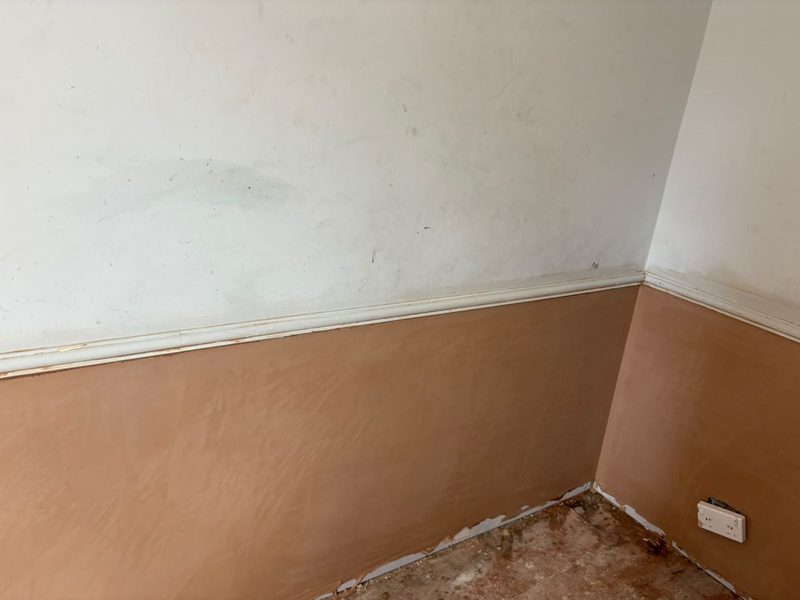
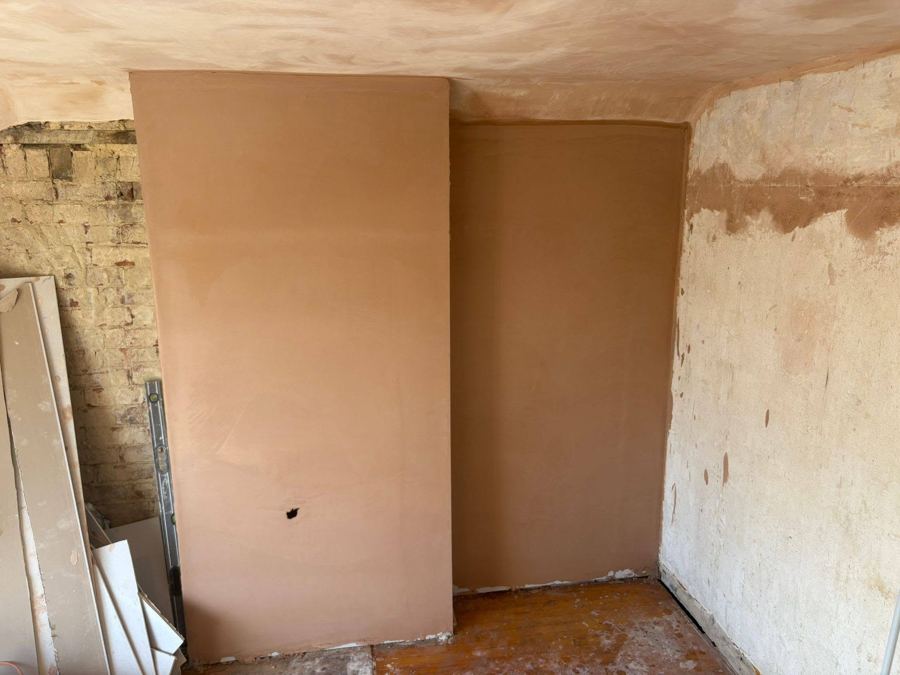
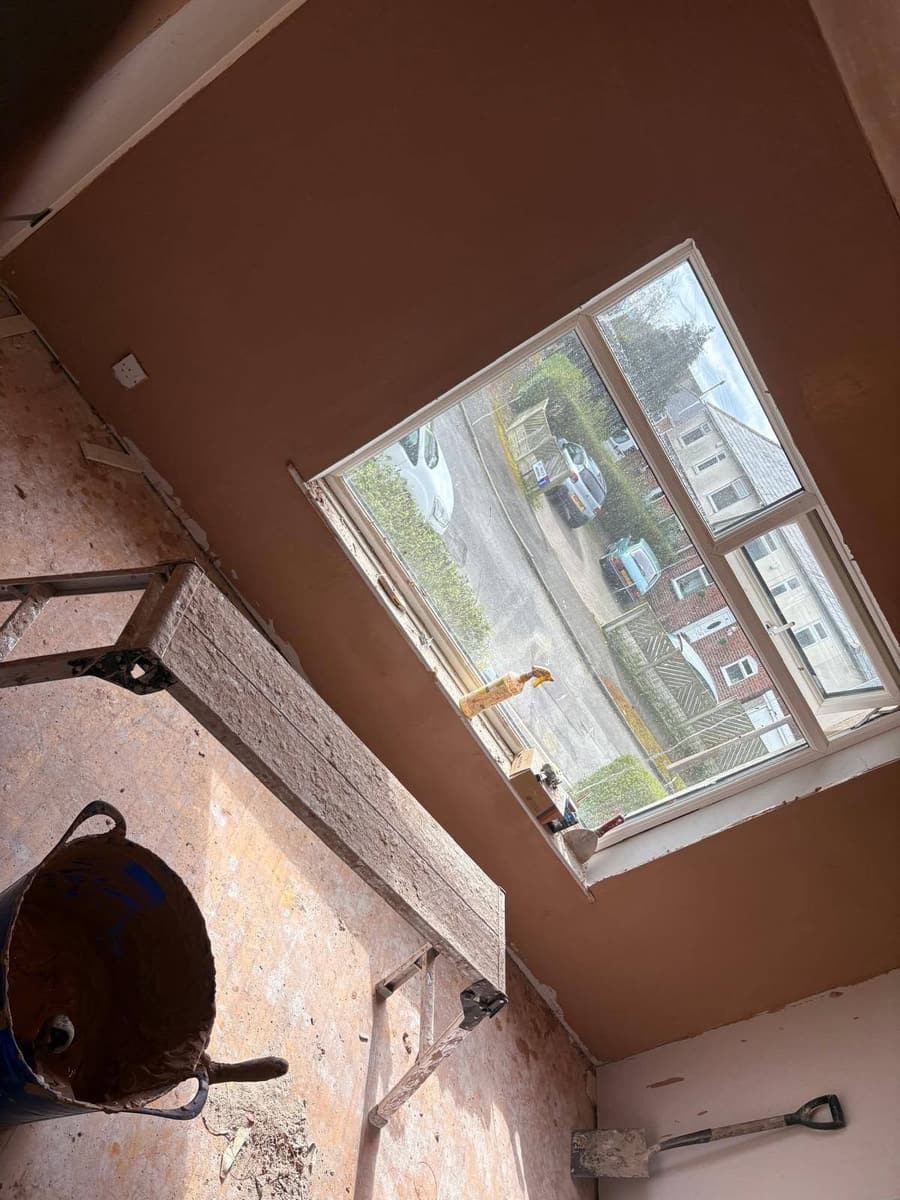
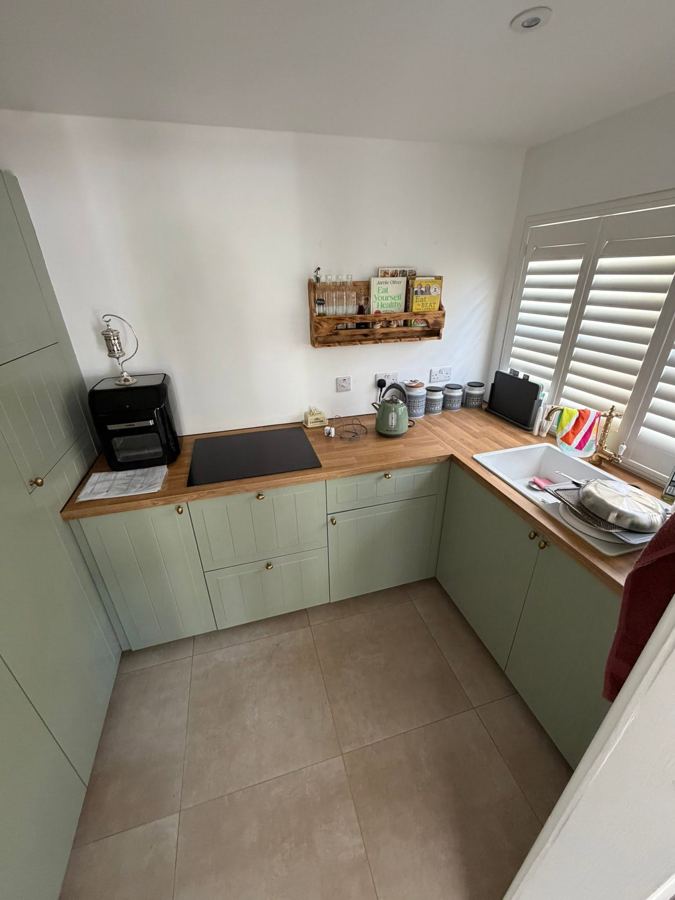
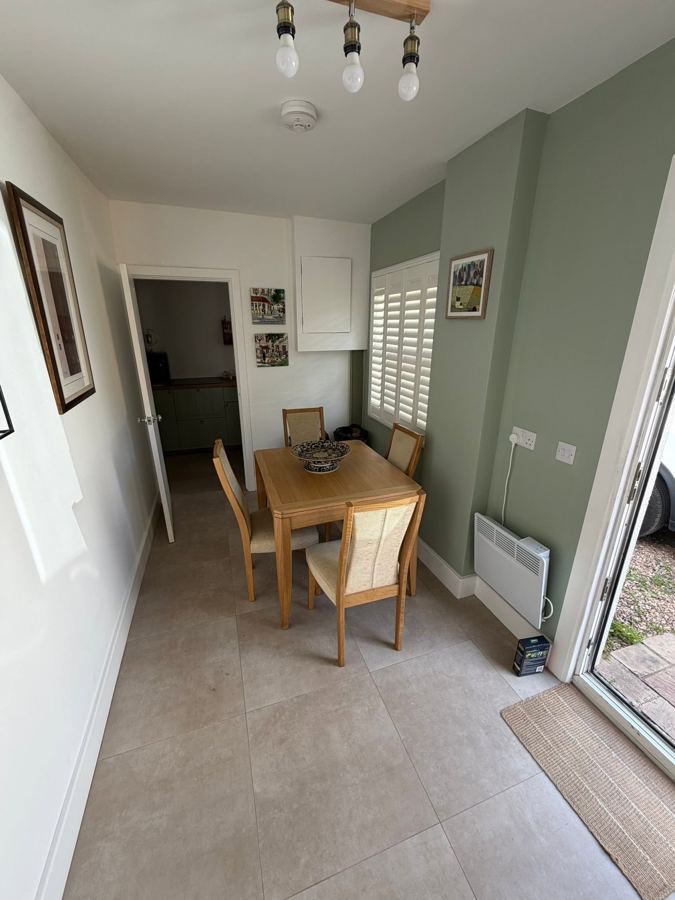
Two rooms finished after full plastering, and a room mid-job on a full plastering and damp proofing project in Birstall. There is more of our work, including a stairwell skimmed straight over artex, in our projects.
“Full house needed plastering and I couldn’t be happier with the finished product. The finish is amazing, and the attention to detail was excellent. Lewis was friendly, reliable, reasonably priced and left everything clean and tidy. Highly recommend.”
Guarantee
Fixed prices, and a guarantee where damp is involved
Every plastering job is quoted as a fixed price in writing, and if the wall turns out to need more work than expected once we start, we'll explain why and agree it with you first. We are also straight about guarantees: plastering itself is not guaranteed, by us or by anyone else, because a finished wall can be drilled or knocked at any time. Where plastering is part of a damp proofing treatment, the treated areas are covered by our written 30-year guarantee, which passes to the new owner if you sell.
Plastering questions
Do you do plastering jobs with no damp involved?
Yes. Plastering is where we started, and we still take on straight plastering work, from a single wall or ceiling to a full house. You do not need a damp problem to book us.
What's the difference between dot and dab and dry lining?
Both use plasterboard. Dot and dab bonds the board straight onto the brick or block wall with dabs of adhesive, while dry lining fixes it to a timber or metal framework first. A framework takes up a little more room, but it copes with walls that are badly out of true and leaves space for insulation.
When is hard wall plaster used?
Hard wall is a backing plaster for brick and block walls. It goes on before the finishing coat where a wall needs a tougher, more durable base than a standard backing coat gives, and the wall is then skimmed smooth over the top.
Why does a wall need levelling before it is plastered?
A finishing coat is thin, so it follows the shape of whatever is underneath it. If the wall is bowed, lumpy or damaged, those faults show straight through. Levelling brings the wall back flat first, so the finished surface runs true.
Do you plaster ceilings?
Yes. We plaster and skim ceilings as well as walls, including ceilings that need boarding first and ceilings repaired after water damage.
Do you work with builders and other trades?
Yes. As well as homeowners and landlords, we work alongside construction companies and other trades on renovation and building projects.
Need a plasterer?
Tell us about the walls or ceilings and we will come and look, then give you a fixed price in writing.