
Black mould removal — and the damp that keeps bringing it back
Black mould on walls and ceilings is a health risk and it rarely stays away for long. Across Dewsbury, Wakefield and West Yorkshire, we treat the mould, replace what is too damaged to save, and fix the condensation or damp that is feeding it.
Why black mould grows on walls and ceilings
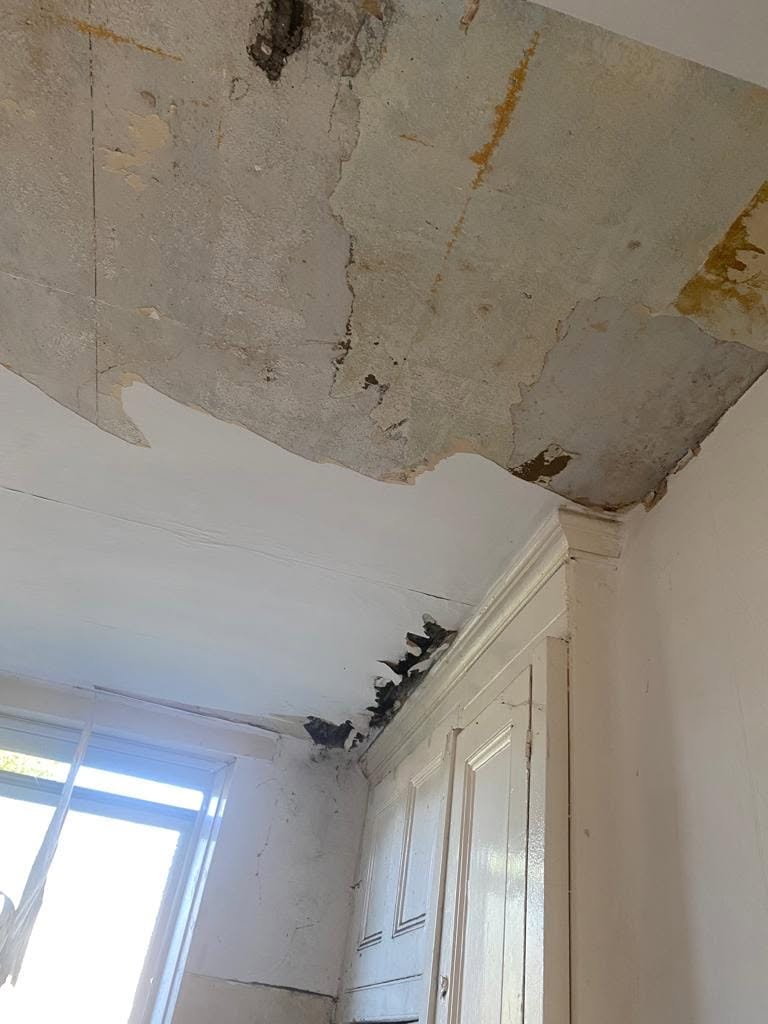
Black mould needs three things: moisture, a surface to grow on and still air. Give it a wall or ceiling that stays damp and it will spread, usually in corners, behind furniture, around windows and across bathroom ceilings.
The mould itself is the symptom. The real problem is whatever is keeping that surface damp. In most homes that is condensation, where moisture from cooking, washing and breathing settles on cold walls. But mould also grows on walls soaked by penetrating damp from outside, rising damp from the ground, or a leak.
That is why black mould removal has two halves: getting rid of the mould you can see, and fixing the moisture problem that lets it grow. Do only the first and the mould will be back, often within weeks.
Is black mould dangerous?
Black mould is more than ugly. Living with damp and mould can affect your health, and it is a particular risk for children, older people, and anyone with asthma, allergies or breathing problems. Mould releases spores into the air, which can cause coughing, wheezing, sneezing and irritated eyes and skin, and can make asthma worse. Mould also spoils decoration and plaster, and belongings such as clothes and furniture kept against damp walls.
If you are worried about your health or a family member's, speak to your GP. What we can do is deal with the mould and the damp behind it, so the home stops producing it.
Landlords and housing providers have obligations around damp and mould in the homes they let, including under Awaab's Law where it applies. We carry out priority damp and mould inspections with written findings and dated photographs; see our commercial page. This is not legal advice or a guarantee of legal compliance, and responsibility for compliance stays with the landlord.
Why cleaning black mould off doesn't last
Most people have tried wiping mould away with bleach or a spray from the supermarket. It looks better for a while, then the black spots creep back. There are a few reasons for that.
- Bleach whitens, it doesn't finish the jobOn porous surfaces like plaster, grout and silicone, bleach can take the colour out of mould without killing what has grown into the surface.
- The surface is still dampIf the wall or ceiling stays damp, any mould left behind simply starts growing again.
- Damaged plaster holds on to itPlaster or board that has been damp and mouldy for a long time can be too far gone to clean, and needs replacing.
- Painting over itPaint on top of mould seals it in rather than removing it, and it soon shows through again.
If you have cleaned the same patch more than a couple of times, that is the clearest sign the moisture behind it needs fixing. A free damp survey will find out what it is.
How we remove black mould
We deal with the mould and the moisture behind it, so it does not come back.
- 1. Find the causeOn a free survey we take damp meter readings and work out whether the mould is being fed by condensation, penetrating damp, rising damp or a leak.
- 2. Clean it off properlyAffected surfaces are cleaned with a chemical fungicidal wash that kills the mould rather than just bleaching the colour out of it.
- 3. Replace what can't be savedPlaster, plasterboard or ceilings too damaged to clean are stripped out and replaced, or boarded and skimmed to a clean finish.
- 4. Stop the moistureMould is nearly always moisture in the air, so the usual answer is a PIV unit to keep fresh air moving through the home. Where water is getting in instead, that damp is treated at its source.
What affects the price of black mould removal
A patch of mould in one corner and mould through several rooms are very different jobs, so we price it once we have seen the home.
- How far the mould has spreadThe number of rooms and the area of wall and ceiling affected.
- How deep the damage goesSurface mould that can be treated, or plaster and boards that have to be replaced.
- What is causing itCondensation, penetrating damp, rising damp and leaks each need a different fix, and that is usually the bigger part of the job.
- Ventilation neededWhether the home needs a ventilation improvement, such as a PIV unit, to stop the mould returning.
- AccessHigh ceilings, stairwells, and furniture or fittings against affected walls all take more time.
- Other tradesIf the job needs a joiner, plumber or roofer, we can bring them in and quote it as one price, or you can use your own.
Every quote is a fixed price in writing. Book a free damp survey and we'll find out what is feeding the mould first.
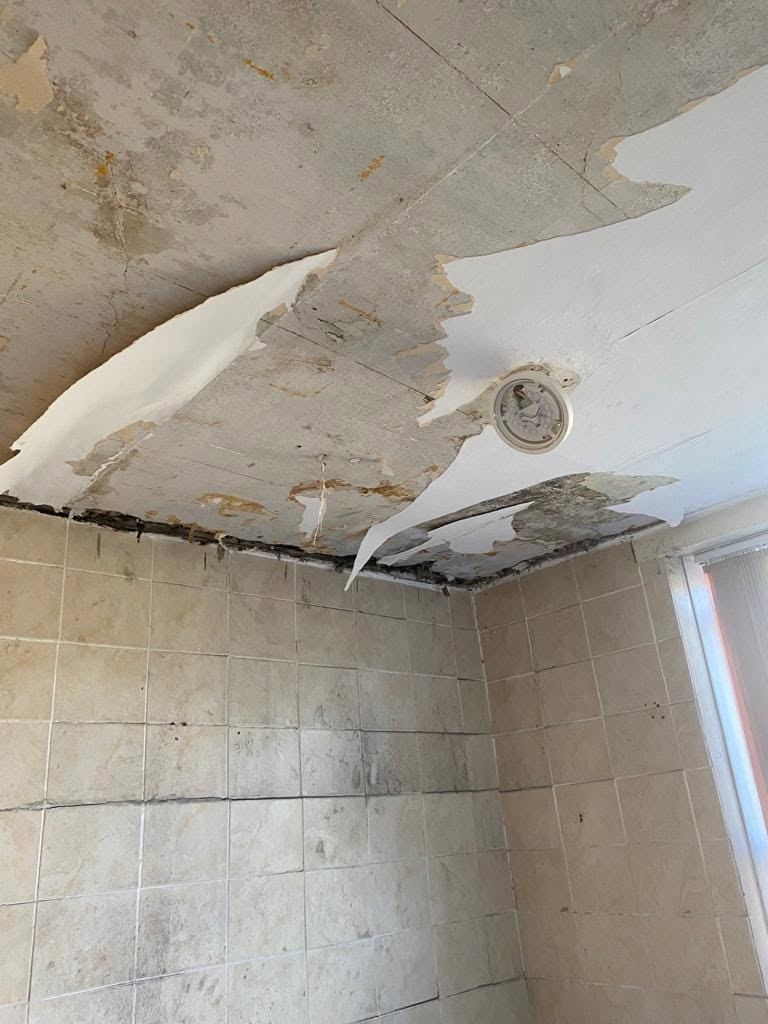
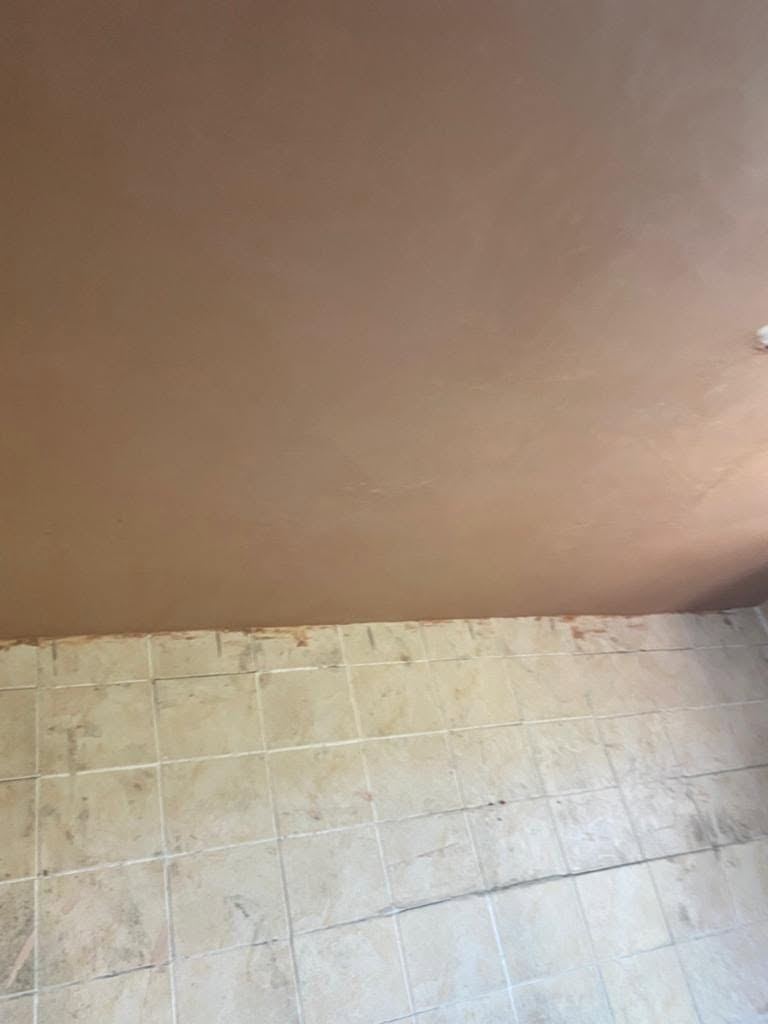
A mould-damaged ceiling, before and after
A bathroom ceiling where paint had peeled away and mould had taken hold along the edges. The surface was too far gone to clean and repaint, so it was boarded and skimmed to a clean finish.
Guarantee
Fixed prices, and the guarantee on damp treatment
Black mould removal is quoted as a fixed price in writing, and never a penny more without agreeing it with you first. If the mould is being caused by rising damp, the damp proofing treatment comes with our written 30-year guarantee on treated areas, which passes to the new owner if you sell. Ask us what is covered on your job when we quote.
Black mould questions
Is black mould dangerous?
Living with damp and mould can affect your health, especially for children, older people and anyone with asthma, allergies or breathing problems. Mould spores can cause coughing, wheezing and irritated eyes and skin. If you are worried about someone’s health, speak to your GP.
Why does black mould keep coming back?
Because the surface is still damp. Cleaning removes the mould you can see, but if condensation, penetrating damp or a leak keeps the wall or ceiling wet, new mould grows in its place. Fixing the moisture is what stops it returning.
Does bleach kill black mould?
Bleach can take the colour out of mould on hard, shiny surfaces, but on porous materials like plaster, grout and silicone it often leaves growth behind in the surface. A proper fungicidal treatment, and a dry surface afterwards, work much better.
Can I remove black mould myself?
A small patch on a hard surface can usually be cleaned with a mould-removal product, wearing gloves and keeping the room ventilated. Avoid brushing dry mould, which spreads spores. If it covers a large area, has damaged the plaster, or keeps coming back, it needs the cause found and fixed.
Will anti-mould paint stop it?
Anti-mould paint can help a clean, dry surface stay clear for longer, but it does nothing about a wall that is still damp. The mould keeps coming back until the moisture is dealt with, which is why we usually fit a PIV unit rather than rely on paint.
Do you remove mould in rented homes?
Yes. We work with landlords, letting agents and housing providers, carrying out damp and mould inspections with written findings and dated photographs, and the remedial work to put it right.
Black mould keeps coming back?
Book a free damp survey and we will find what is feeding it, with a fixed price in writing to put it right.